Restaurant exterior design: ideas to create more attractive outdoor spaces this summer

With the arrival of the summer season, the commercial success of any hospitality business shifts almost entirely into the open air. Professional restaurant exterior design has evolved from being a simple decorative afterthought into the primary revenue driver for establishments and the ultimate expression of their brand identity. Preparing these outdoor restaurant environments strategically to withstand the peak months of solar radiation is a critical business investment that dictates the financial profitability of the entire season.

At Siplan Ibérica, as expert manufacturers of high-resistance aluminum systems, we know that standing out in the highly competitive hospitality market requires impeccable technical and aesthetic planning. Transforming wide-open communal areas into highly functional, structurally safe, and visually stunning environments is the definitive first step toward guaranteeing full capacities during the busy summer months.

Outdoor spaces as a key factor in attracting customers during the summer

During the summer months, well-curated restaurant patios operate as a powerful organic marketing tool. A meticulous exterior layout not only captures the immediate attention of passing pedestrians but actively shapes customer perception regarding the culinary quality, status, and overall standards of the venue before they even glance at the menu.

How outdoor areas influence the customer experience and perception of a restaurant

The technical planning and organization of outdoor hospitality spaces exert a profound psychological and physiological influence on consumer behavior. An overcrowded, noisy layout exposed to direct afternoon radiation projects an image of operational neglect and poor management that drives diners away

Conversely, a premium layout centered around modern exterior design principles establishes an instant atmosphere of safety and exclusivity, welcoming guests to step inside and consume in a relaxed state of mind.

What do customers look for in restaurant patios?

Modern diners are no longer satisfied with just an exceptional gastronomic offering; they expect a comprehensive sensory journey where environmental comfort is non-negotiable.

Comfort and well-being in outdoor dining spaces

The defining metric behind a successful summer evening is ensuring absolute outdoor dining comfort. When seasonal temperatures soar, the localized heat island effect reflecting off stone or synthetic pavements can completely degrade the guest experience.

Delivering an optimized thermal comfort in outdoor dining areas is a commercial necessity. If a customer experiences excessive heat or blinding glares while dining, they will cut their visit short, request the bill early, and likely leave a damaging review on digital platforms.

Inviting environments that encourage guests to stay longer

Diners instinctively prioritize premium locations that deliver cooling fresh air, acoustic dampening, and a sense of shelter from urban chaos. Designing an immersive atmosphere requires blending distinct patio decor choices with high-performance engineering assets that keep fresh air moving. The ultimate goal is to prolong the client’s dwell time, a factor that mathematically maximizes the venue’s average ticket size—boosting secondary orders of desserts, coffees, and late-night drinks—thanks to the superior physical comfort provided.

Ideas to improve restaurant exterior design this summer

To revolutionize the commercial output of an outdoor hospitality asset, architects, developers, and venue managers must adopt advanced structural layouts that blend visual harmony with operational efficiency:

Space optimization and table layout

Achieving true outdoor patio optimization calls for a meticulous study of service traffic and staff walking lines. It is vital to design fluid circulation paths that enable waiters to serve efficiently while preserving privacy and comfortable physical distances between seating arrangements.

Leveraging functional planters, movable acoustic screens, or modular protection structures allows managers to segment the patio into intimate VIP pockets without erecting permanent, inflexible masonry walls.

Functional patio decor that enhances the atmosphere without affecting operations

Visual aesthetics must always support daily operational workflows and revenue generation. When selecting patio decor, specifications must prioritize contract-grade materials built for extreme durability: hydrophobic technical fabrics with integrated UV blockers, lightweight stackable seating, and dimmable LED lighting systems.

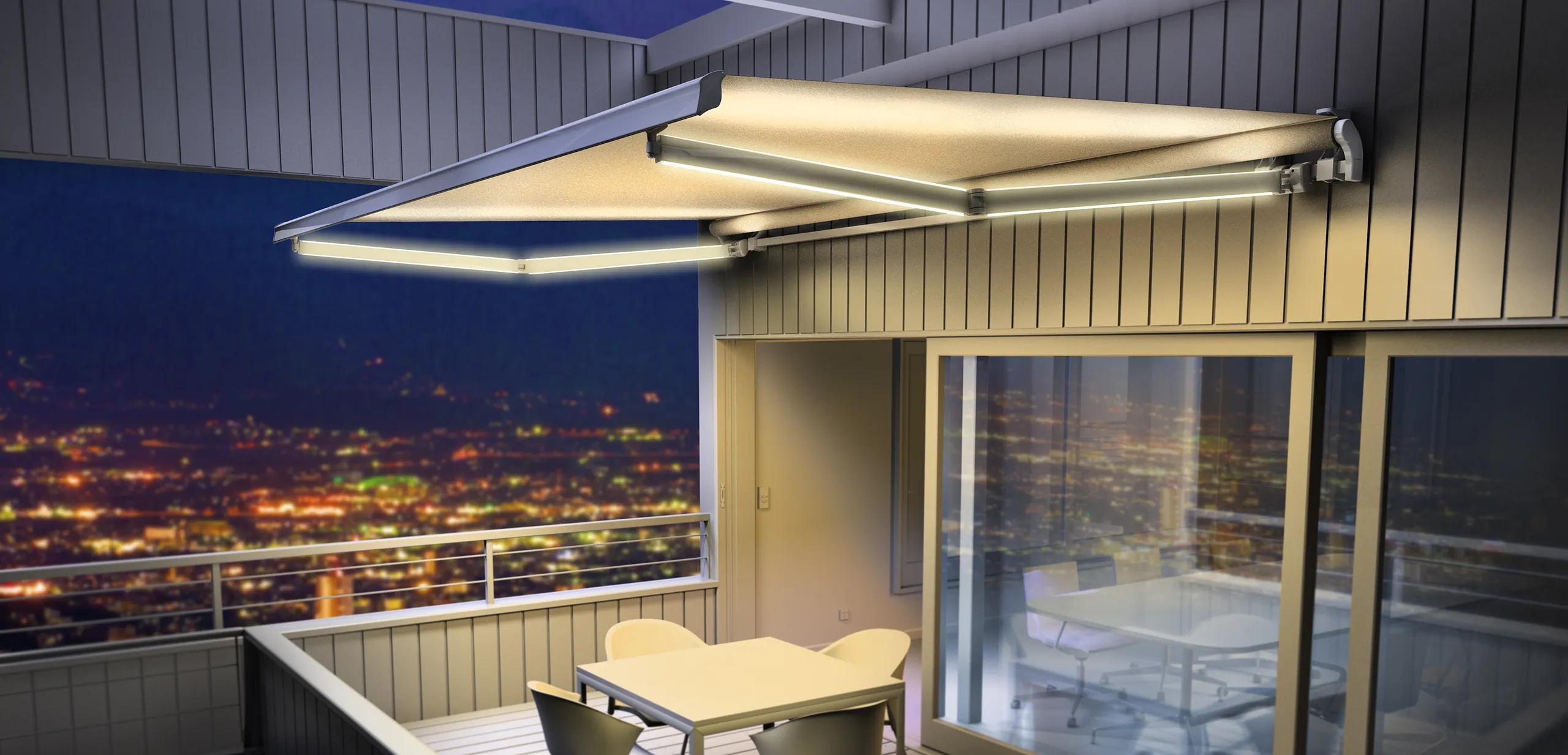
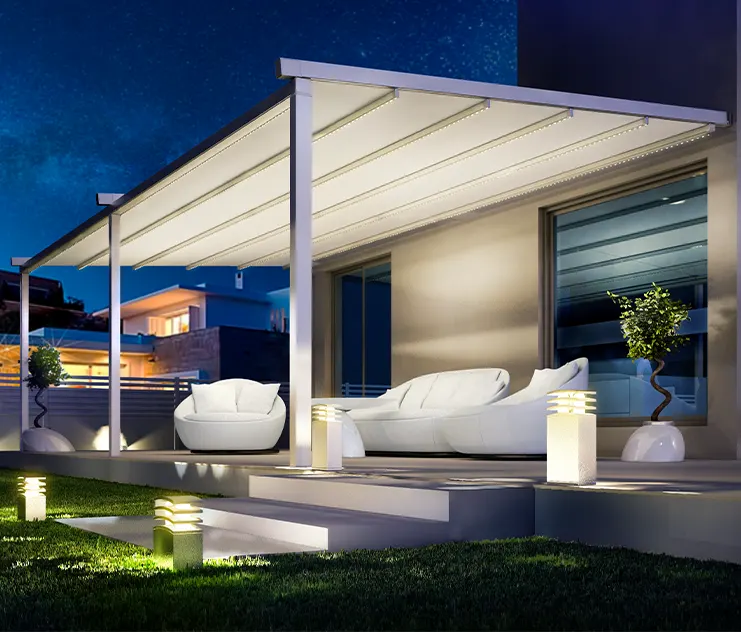
Embedding warm lighting profiles directly into the shading structures extends the operational usage of the patio deep into the night, morphing dining spaces into profitable lounge environments. This commercial strategy shares deep tactical ties with the monetization models used in hotel outdoor pool areas when opening up communal zones for evening events.

Reducing heat and improving shade during the summer months

The most complex obstacle during peak season is executing an effective reducing heat in outdoor patio areas. The most efficient method to neutralize extreme temperatures centers on projecting dynamic shade that moves alongside the natural trajectory of the sun.

Deploying an engineered patio shade solutions approach blocks direct solar rays before they strike tables and guests, naturally lowering ambient temperatures by several degrees without relying on mechanical cooling devices.

The importance of professional shade solutions for restaurants

Commercial hospitality venues require industrial-grade solar protection backed by wind-load certifications and structural resistance metrics far superior to residential-grade products. Investing in professional restaurant shade solutions minimizes long-term maintenance costs and avoids dangerous operational failures or unexpected closures during coastal weather changes.

Pergolas: when they add the most value

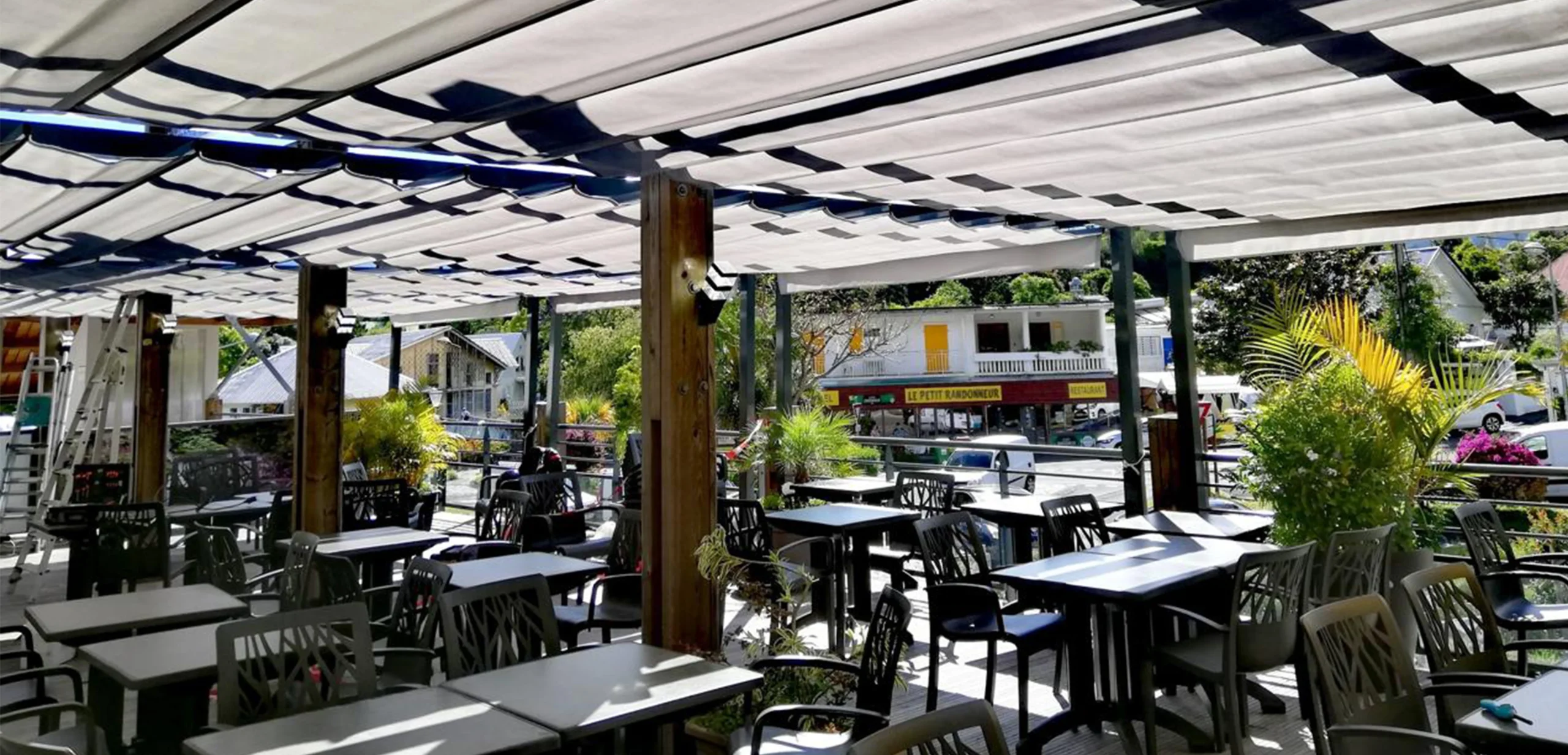
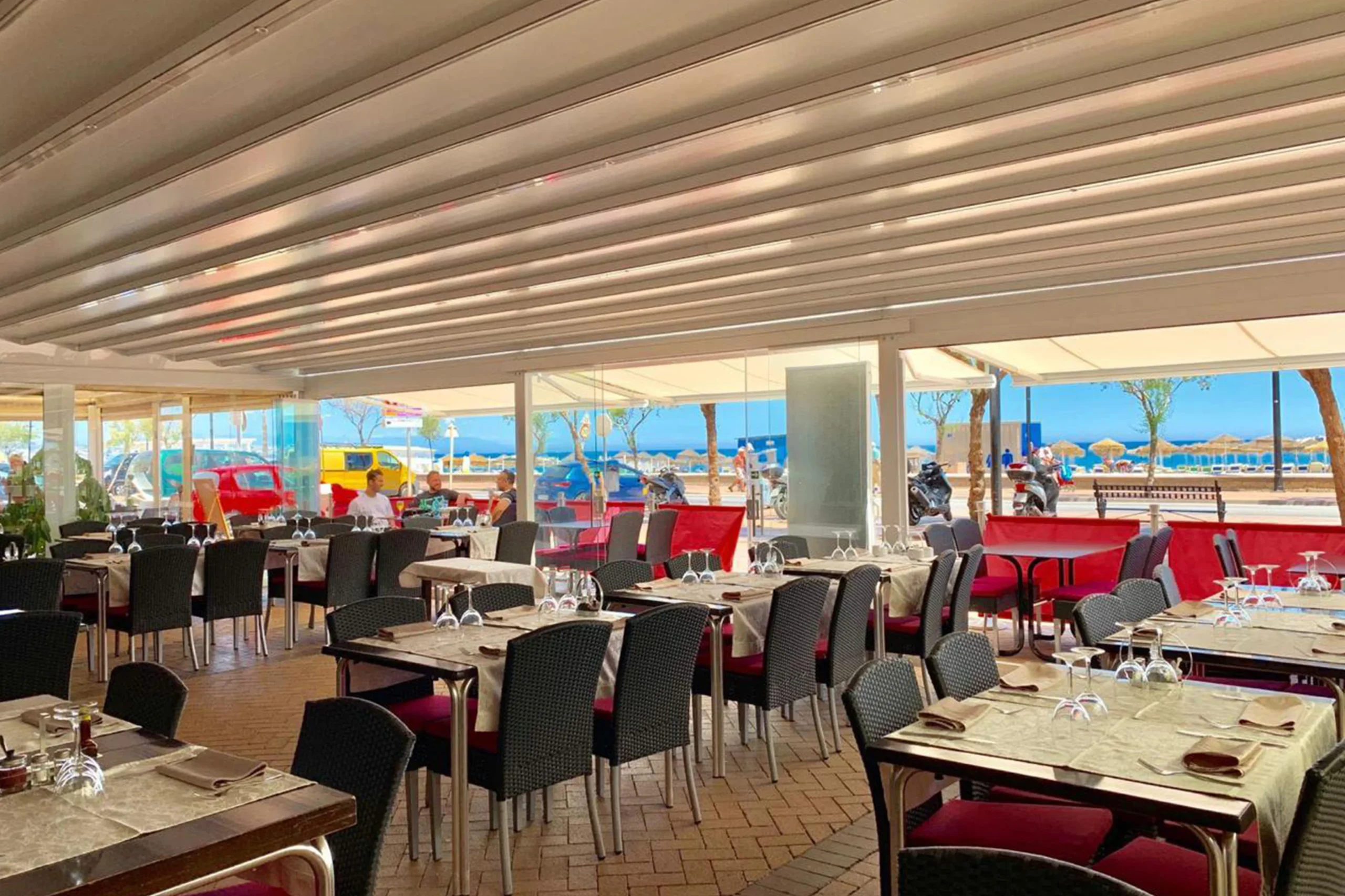
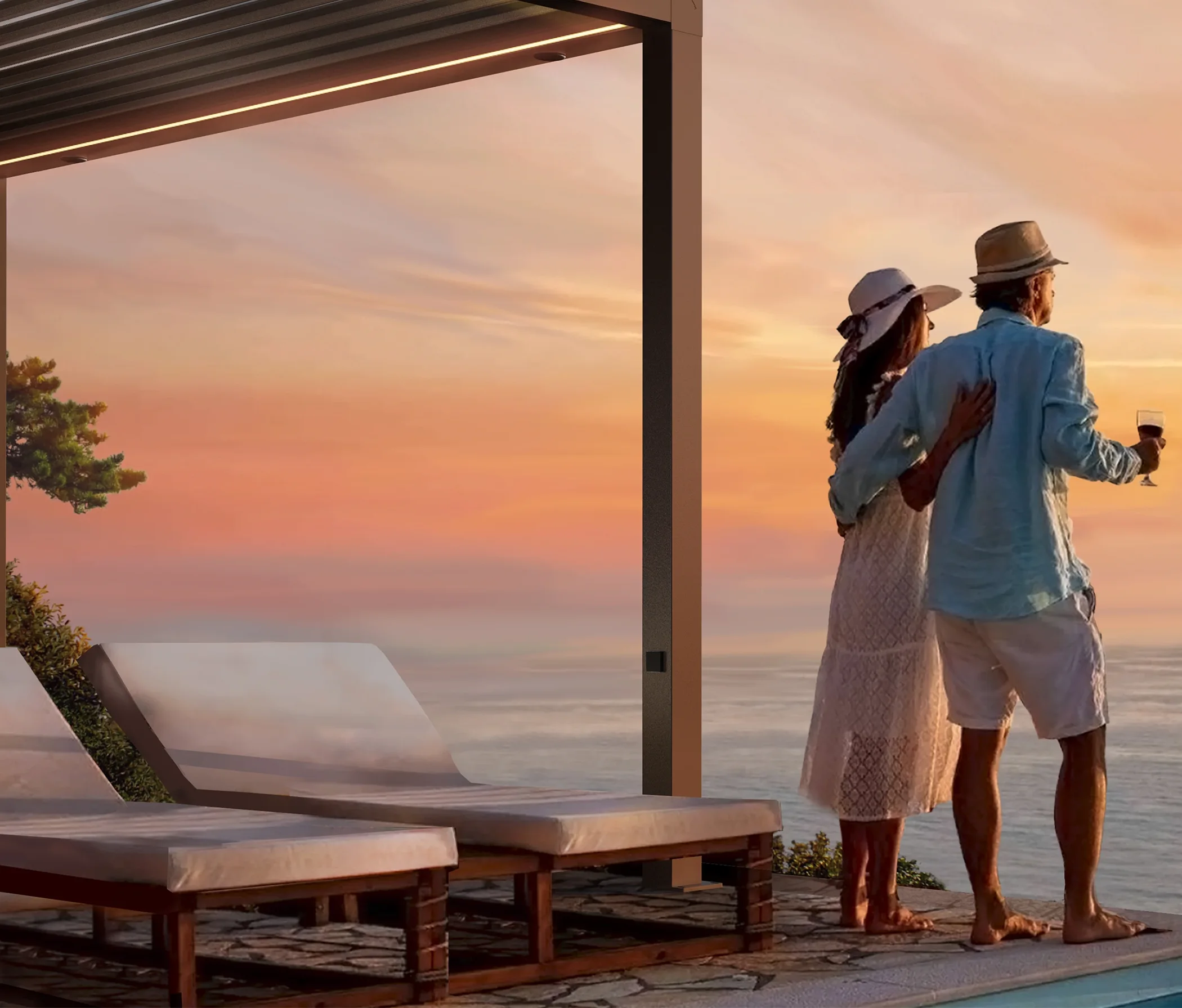
When looking to establish a permanent, weather-resistant outdoor dining enclosure that operates reliably 365 days a year, implementing heavy-duty restaurant pergolas represents the highest-yield architectural choice. These structural pavillions act as physical extensions of the building, creating robust outdoor rooms shielded from shifting elements.

The pinnacle of modern outdoor engineering is the bioclimatic pergola, featuring motorized, adjustable aluminum louvers that regulate light intake and natural convection currents automatically. This system applies the exact sustainable efficiency frameworks that govern advanced bioclimatic architecture.

For trade professionals, knowing how to choose the right types of pergolas for patio and garden layouts is critical to providing business owners with an elegant asset that expands usable space without requiring invasive masonry works.

Awnings: adapting shade solutions to different outdoor spaces

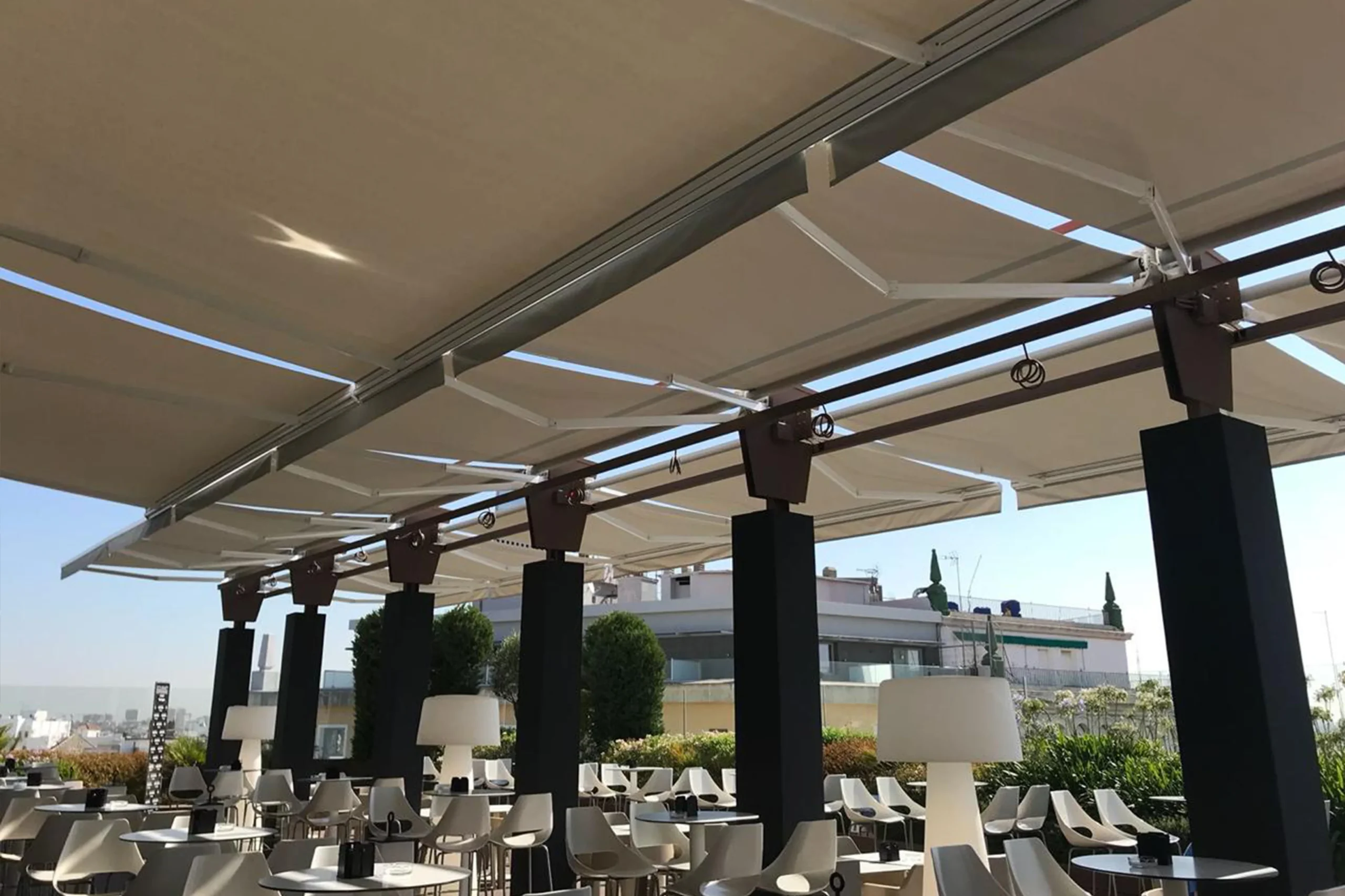
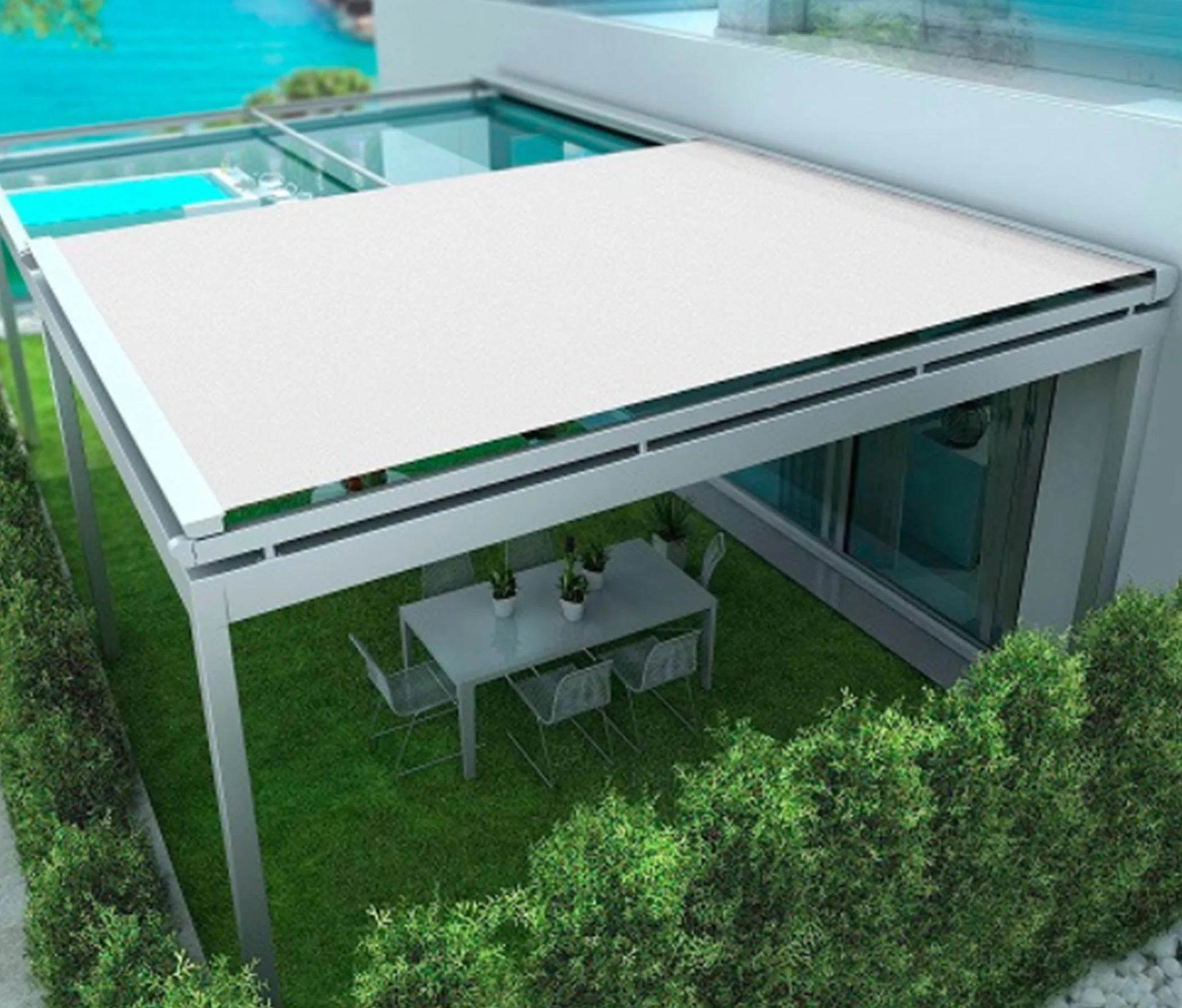
For those venues that require immediate versatility or are subject to strict municipal regulations regarding the use of public pathways, restaurant awnings are the perfect solution. Folding arm awnings or high-projection systems provide flexible restaurant shade solutions, deploying only when the service requires it.

For dining spaces integrated into complex urban areas, one can choose from various configurations depending on the types of awnings available on the market. These systems allow properties to protect large expanses of tables directly adjacent to the facade, securely sheltering all awnings parts  inside hermetic extruded aluminum cassettes when retracted at night or during high wind alerts.

Siplan Ibérica: solutions that turn restaurant patios into a competitive advantage

Deploying specialized shading assets across the hospitality sector should never be viewed as a mere operational cost; it is a high-return commercial investment that directly scales business revenue while supporting the overarching objective to improve energy efficiency in buildings by reducing the internal thermal loads entering through structural glass storefronts.

At Siplan Ibérica, we fully understand the intense performance requirements that characterize the international HORECA market. For this reason, we design and manufacture premium extruded aluminum profiles engineered to endure continuous, heavy-duty commercial use under severe climatic exposure. We provide professional installers with certified, reliable, and swift-to-assemble solutions that instantly upgrade the architectural prestige and daily profitability of any venue.

If you want your restaurant’s exterior footprint to become your primary selling asset this summer, we invite you to contact our technical team today for tailored project advice.

Your partner in solar protection projects.

We offer you reliable solutions manufactured in Spain, with certified quality and a friendly team that accompanies you at every stage.

Related news