Outdoor spaces have become an essential extension of both residential properties and commercial establishments, such as hotels and restaurants. In contemporary architecture, it is no longer enough to project static shade zones that serve a single purpose during daylight hours. Today, market demands require dynamic and smart solar shading systems that deliver value 24 hours a day.
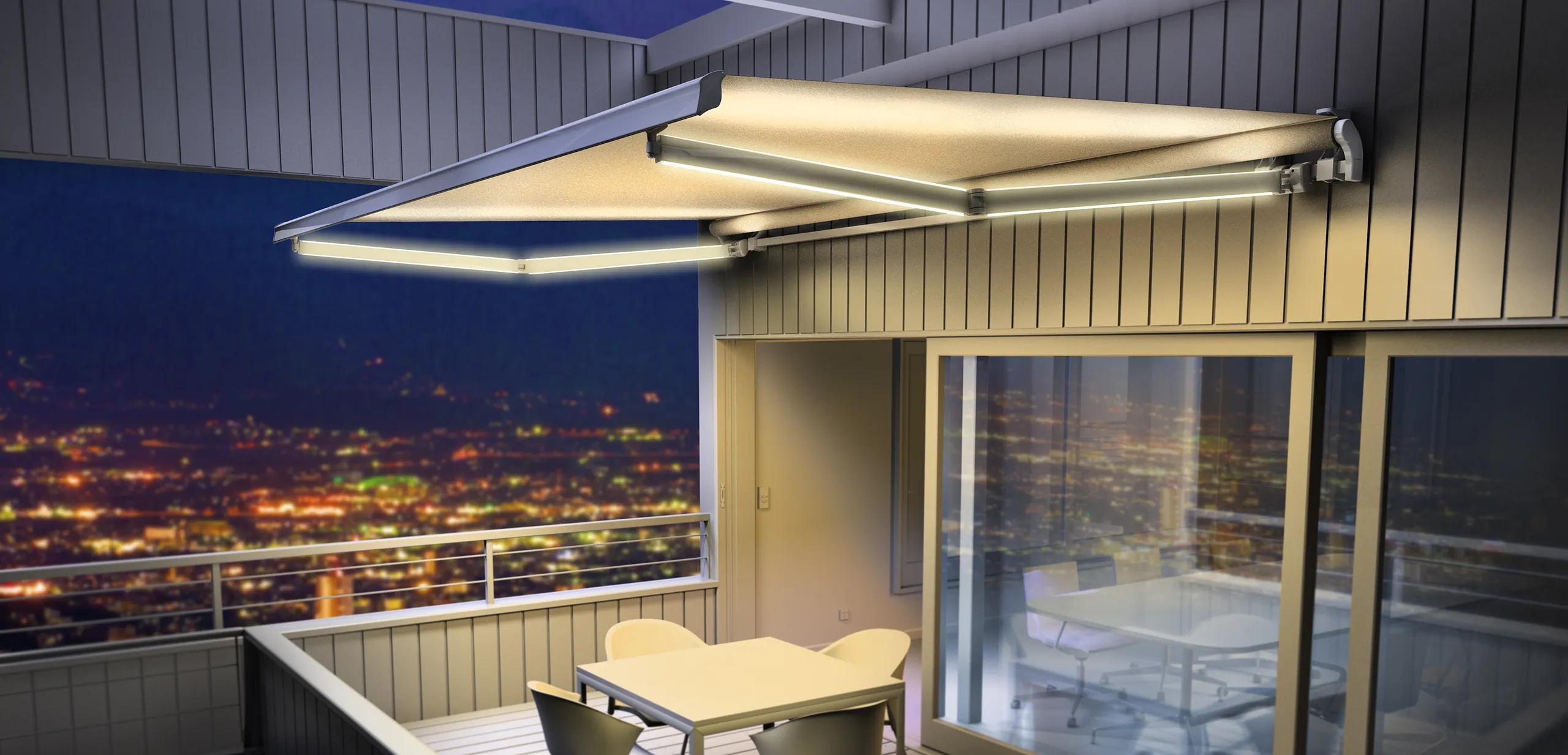
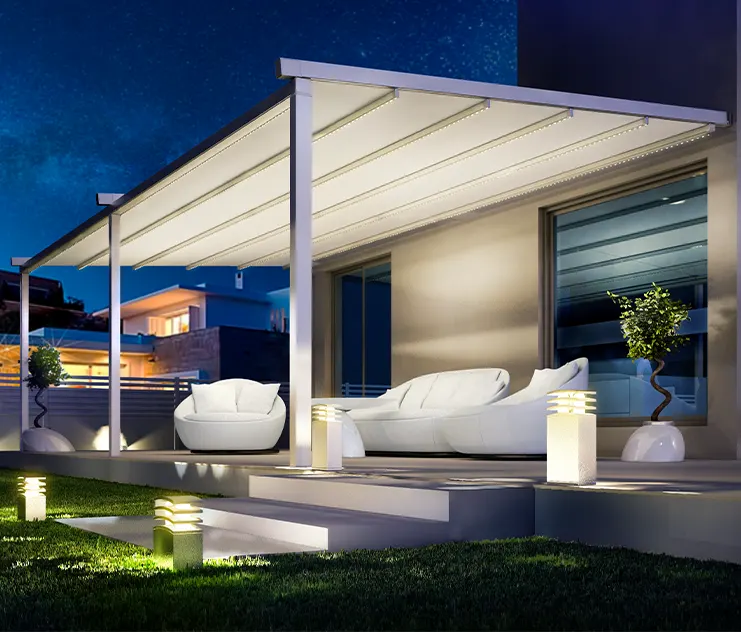
An awning with led lights represents the natural evolution of the solar shading industry. Combining a robust aluminum structure with integrated LED lighting and advanced automation allows users to completely transform their experience in gardens, terraces, and commercial venues.
For a distributor or professional installer, adding these retractable awnings to your product portfolio does not just fulfill modern design trends; it serves as a strategic opportunity to increase the average ticket size and offer high-performance, turnkey projects that elevate outdoor comfort.
Traditionally, terrace illumination was solved using separate wall sconces, floor lamps, or external wiring added after the shade system installation. These retrofitted solutions often disrupted the visual harmony of the facade and presented durability issues due to direct exposure to harsh weather conditions.
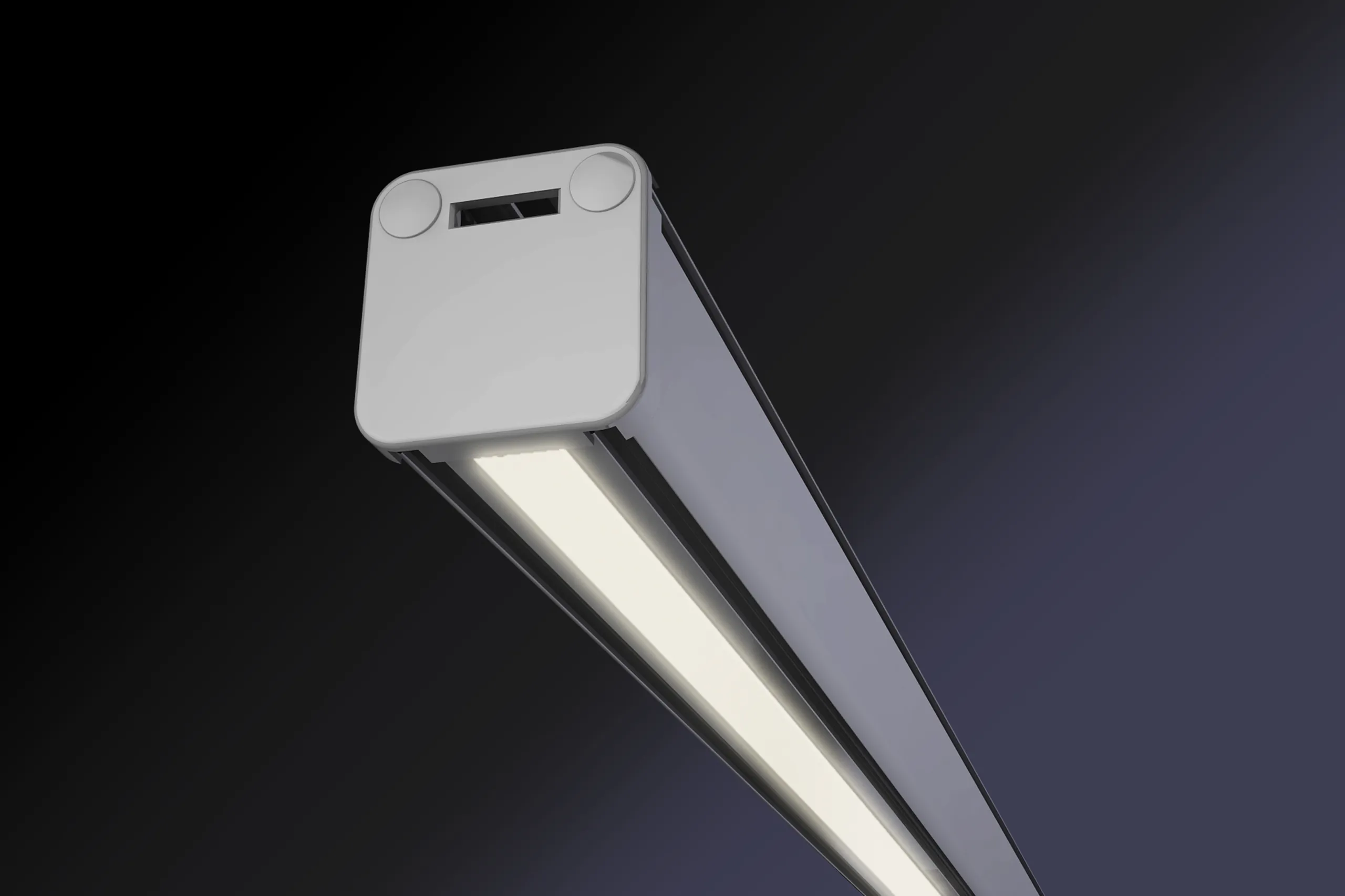
The modern approach consists of embedding the illumination directly during the manufacturing process. Extruded aluminum profiles are engineered specifically to house LED strips or spotlights internally, completely concealing cables, drivers, and electrical connections.
This seamless engineering is clearly visible in the development of premium folding arms as well as within the profiles of heavy-duty cassette awnings and structural beams. By keeping these components protected inside the chassis, systems maintain a clean look and avoid risks related to moisture or short circuits.
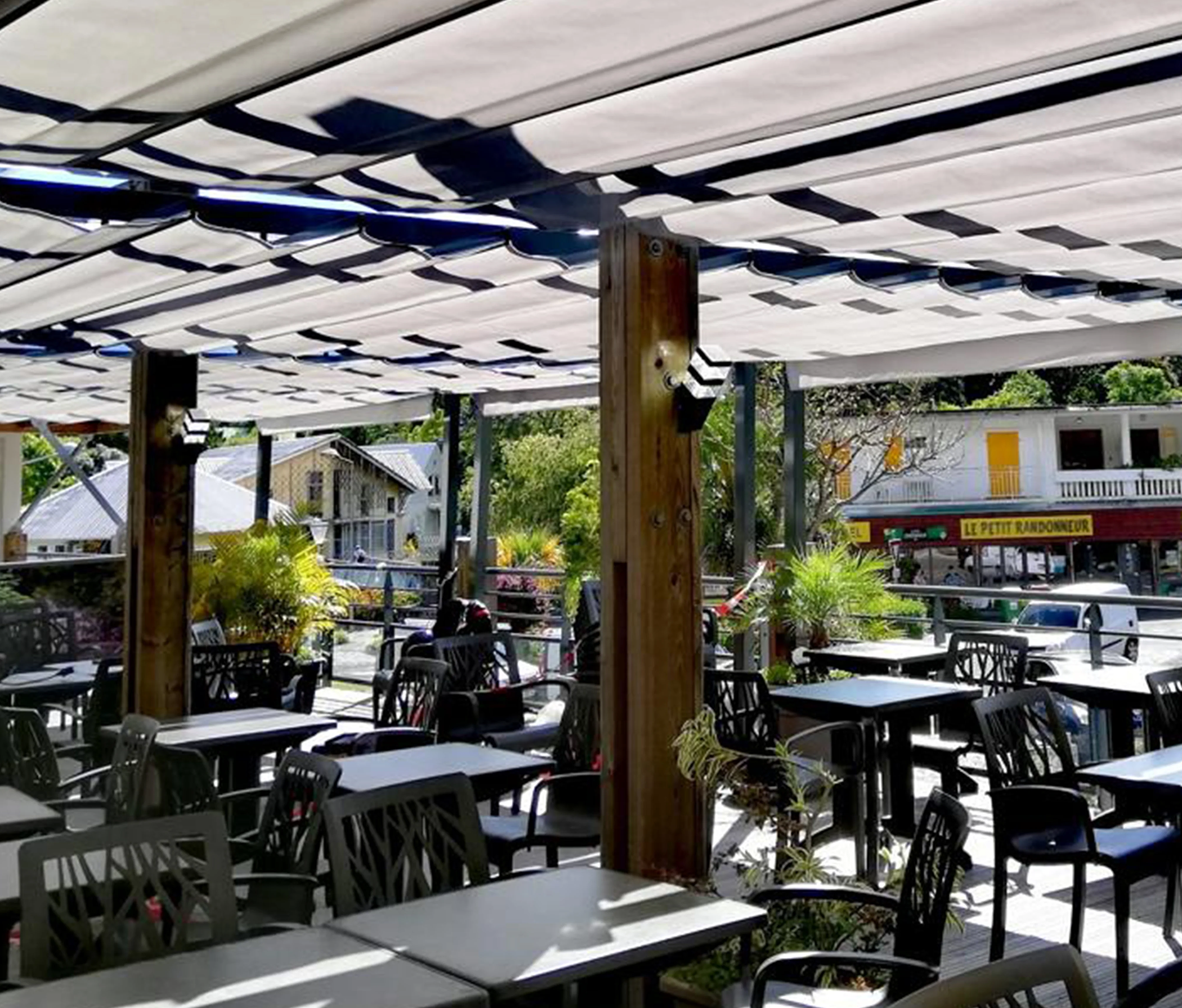
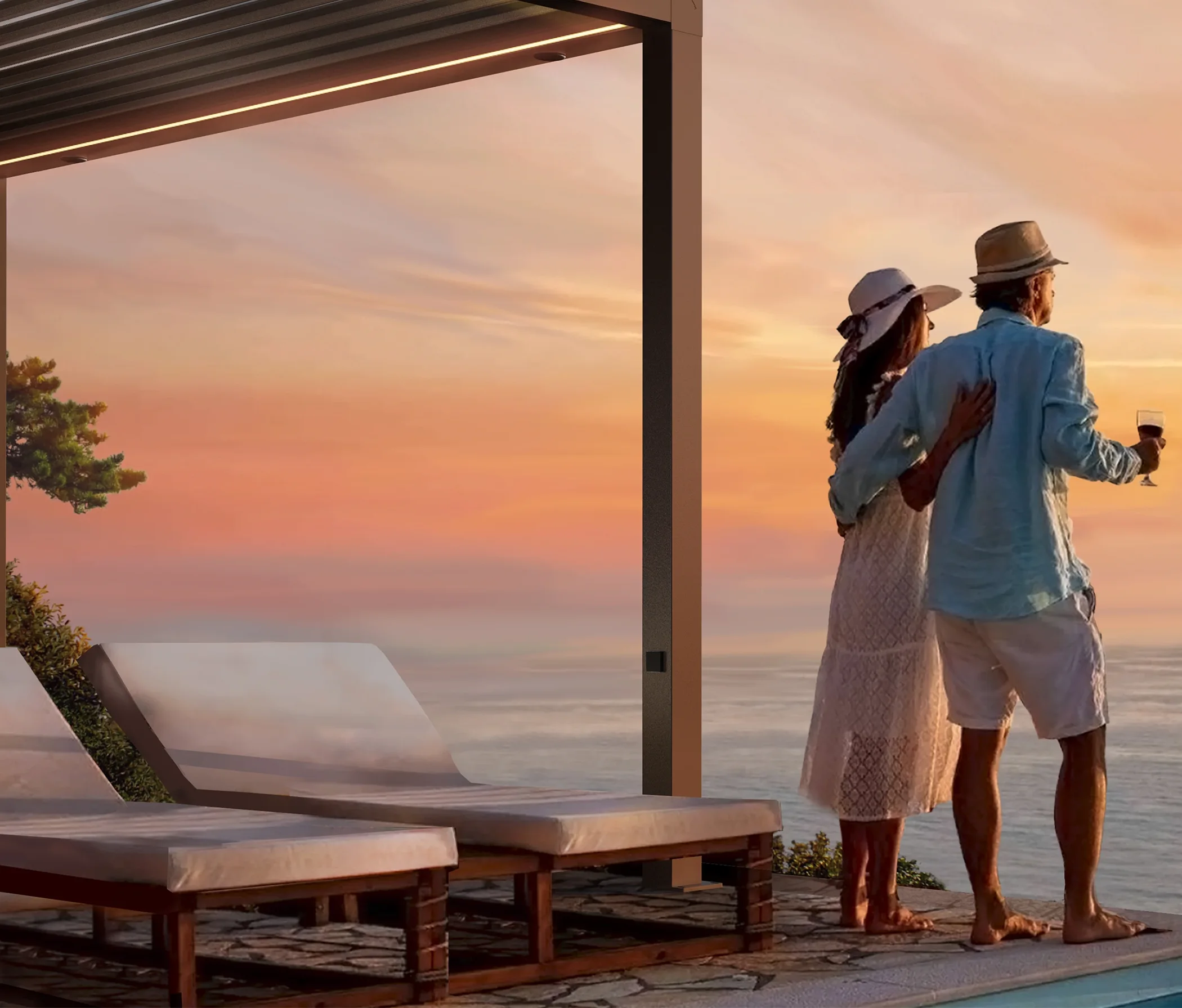
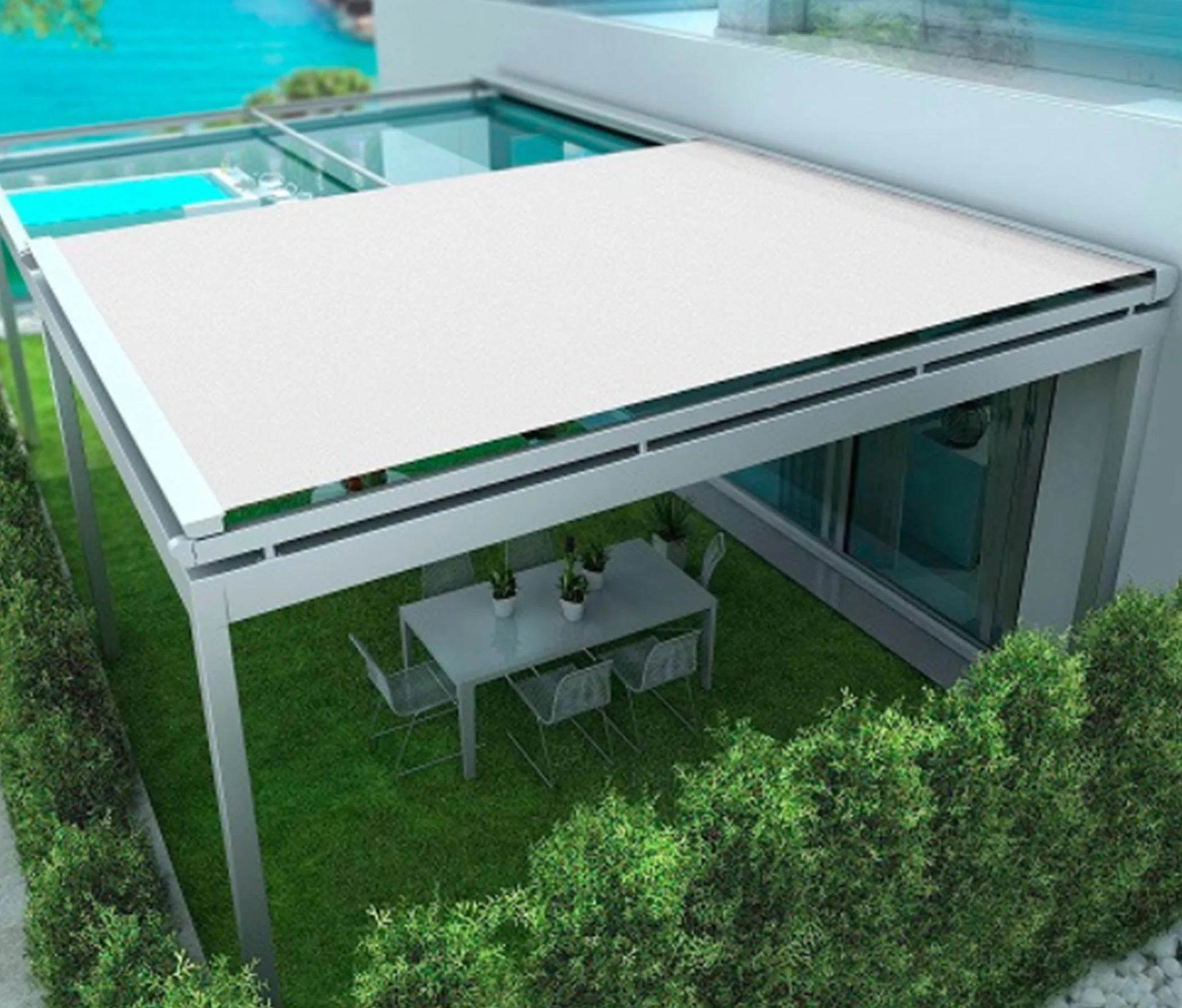
The versatility of motorized awnings with led lights allows them to perform outstandingly across multiple professional and residential settings:
The implementation of luminescent technology within shading structures is not a simple aesthetic upgrade; it is a profound functional improvement that redefines the overall performance of the installation. Providing light to these systems offers tangible advantages that directly impact both end-user satisfaction and commercial profitability.
The primary benefit of led awnings is the creation of an optimal, controllable atmosphere. With dimmable regulation systems, users can adjust the light output to match the precise needs of any moment: from bright, functional illumination for an outdoor dinner to a soft, warm ambient glow for chill-out zones. Furthermore, high-quality LEDs do not emit heat, helping maintain a pleasant, fresh temperature underneath the fabric and enriching professional exterior design projects.
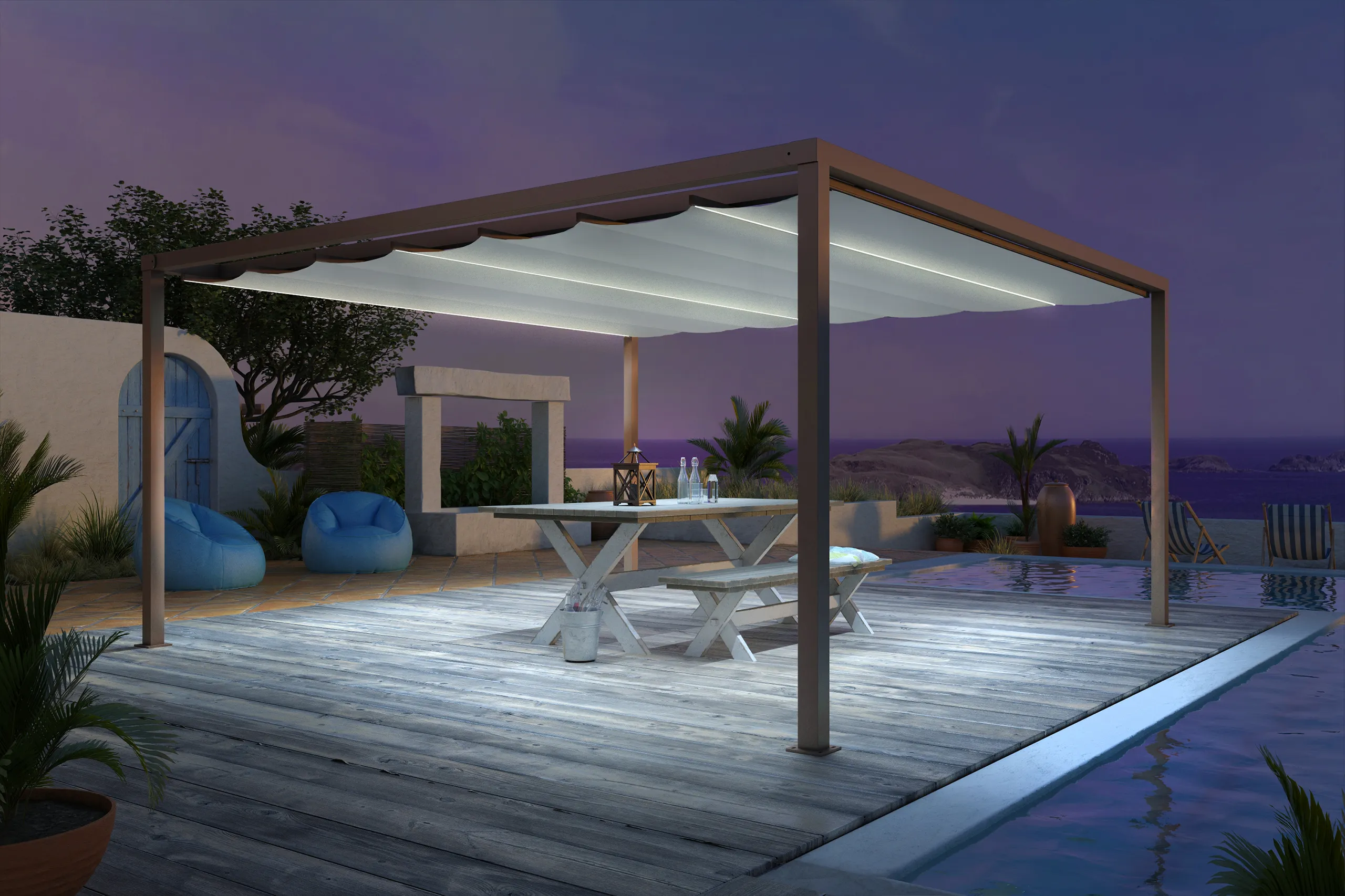
A conventional system loses most of its utility once the sun sets. By incorporating premium led patio awnings, the outdoor area instantly doubles its potential hours of usage. Customers or family members are no longer forced to retreat indoors due to darkness, making these structures the ideal choice when looking for patio shade solutions capable of maximizing space utility during the summer season and beyond.
For the end customer, an all-in-one product represents a comprehensive solution that eliminates the hassle of hiring separate electrical and shading contractors. For the professional channel, selling these advanced systems translates into significantly higher profit margins per project, positioning your business within the highly lucrative premium market segment.
Furthermore, understanding the technical specifications of different types of awnings allows professionals to prescribe the exact shade solution that perfectly matches the structural requirements of each client.
To ensure a successful installation and eliminate expensive post-sale technical interventions, it is vital to know how to choose an awning with led lights that meets top-tier market standards. Professionals must evaluate the following technical criteria:
Not all LED strips deliver identical performance. It is crucial to demand systems that offer high luminous efficiency, accurate color rendering indexes (CRI), and a superior Ingress Protection (IP) rating that certifies total resistance against water and dust infiltration. Additionally, the integration must be visually clean: high-quality opaque diffusers are required to eliminate dark spots or glaring points, providing a continuous, homogeneous line of light.
The backbone of the system remains the ultimate deciding factor for its longevity. Distributors should select structures manufactured entirely from high-tensile extruded aluminum paired with certified powder-coating treatments. Gaining deep knowledge about the structural retractable awning parts and general awnings parts —such as internal brackets, support profiles, and arm joints — helps installers verify where electronic components are housed, ensuring they remain protected against premature rust and wear.
Modern customizable shading systems must prioritize user convenience. Awning automation via heavy-duty motors is a mandatory requirement for large-scale installations. Moreover, compatibility with smart home systems and the inclusion of wind, sun, and rain sensors ensure the structure automatically reacts to adverse weather conditions, a flawless strategy for improving building energy efficiency by controlling solar heat gain intelligently.
A new product line introduction into a commercial catalog should always be backed by technical certainty. For an installation professional or a regional distributor, commercial success relies on structural reliability, logistical efficiency, and ongoing operational support that guarantees a profitable, hassle-free business rotation.
The distribution model relies entirely on the trust built between installers and their final clients. Therefore, before committing to an illuminated shading line, it is essential to evaluate the background and footprint of the manufacturing company.
A reliable partner must supply clear technical blueprints, certified wind-resistance test results, and a guaranteed long-term availability of spare parts and accessories.
Every facade and commercial client brings unique technical challenges to the table. Distributors require a flexible catalog that permits customizing profile colors from the global RAL chart, selecting from various high-performance technical fabrics, and determining whether a project fits a traditional system or requires installing alternative types of pergolas patio gardens — such as advanced bioclimatic pergolas — to shelter vast commercial footprints demanding perimeter lighting.
At Siplan Ibérica, as specialist manufacturers of aluminum structures with decades of proven experience in the international market, we develop technical solutions designed exclusively to meet the strict demands of the professional sector.
Our product range is engineered to facilitate quick, intuitive, and safe on-site installation, reducing assembly errors and optimizing labor times. We know that durability is an undeniable requirement; therefore, all our profiles, cassettes, and folding arms undergo strict quality controls and specialized anti-corrosion treatments that ensure flawless operation year after year.
We provide our network of partners with continuous technical support, custom configuration tools, and an agile supply chain service so they can confidently undertake any residential or HORECA project, turning advanced LED-integrated solar shading into a distinct competitive advantage for their businesses.
Are you a distributor or an installation professional looking to incorporate our integrated lighting systems into your upcoming projects?
Contact with the technical team at Siplan Ibérica, and we will provide customized advice regarding our tailored solutions.
Your partner in solar protection projects.
We provide reliable solutions made in Spain, with certified quality and a dedicated team by your side every step of the way.
Related News
Restaurant exterior design: ideas to create more attractive outdoor spaces this summer
Hotel outdoor pool areas: how to improve guest comfort and experience this summer
Patio shade solutions: how to prepare your outdoor space for summer
Bioclimatic architecture: how to design a more energy-efficient home
Exterior design: how to integrate solar shading systems in architectural projects
How to integrate solar shading systems to improve energy efficiency in buildings