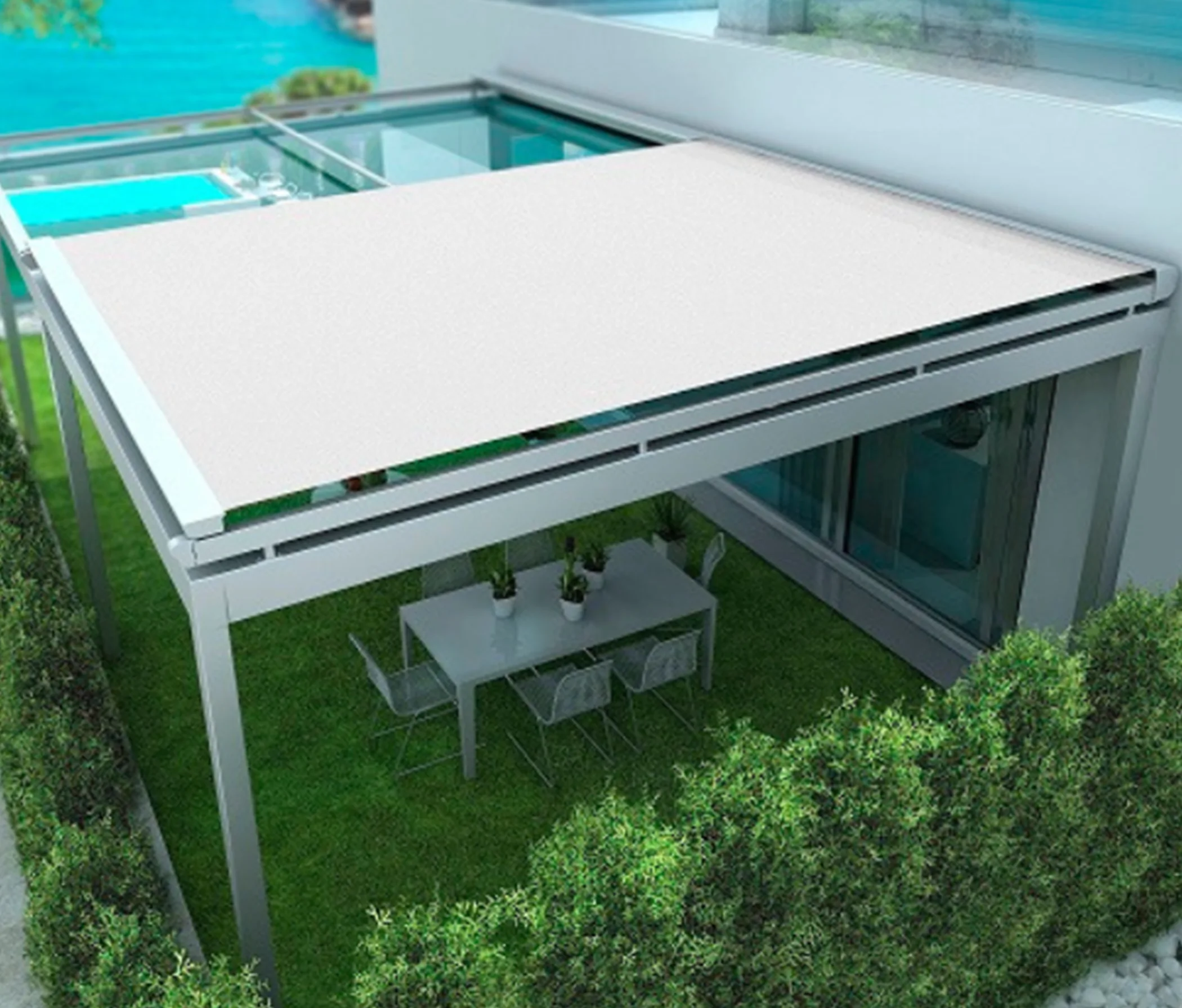
Pergola parts: key components and their functions

When designing, specifying, or commercializing outdoor living spaces, selecting the right solar shading system involves far more than assessing superficial aesthetic finishes. Having an in-depth understanding of pergola parts and precisely how their mechanical and structural elements interact is fundamental to delivering a durable, safe, and high-performance installation tailored to demanding architectural standards.

From extruded aluminum profiles for pergolas to bioclimatic louver systems, concealed drainage channels, and smart automation, every component plays a decisive role in the overall performance of the system—ensuring long-term reliability for distributors, specifiers, installers, and end users alike.

What are the main parts of a pergola?

When a distributor or specifier evaluates an outdoor shading project, the overall quality of the installation depends on the precise technical assembly of its underlying pergola components. Modern aluminum pergolas for outdoor spaces operate as advanced engineering systems where each element satisfies a distinct structural, mechanical, or water management function.

Broadly defined, an advanced pergola structure comprises several interconnected subsystems:

The load-bearing skeleton designed to withstand static dead loads as well as dynamic wind and snow forces.

Vertical columns and horizontal perimeter framing that transfer structural loads down to the civil foundations.

The overhead surface engineered to control solar radiation, airflow, and light entry.

Concealed internal channels engineered for controlled rainwater evacuation.

Heavy-duty hardware securing structural stability against concrete slabs or building facades.

Integrated motorized mechanisms enabling automated louvers or retractable roofs.

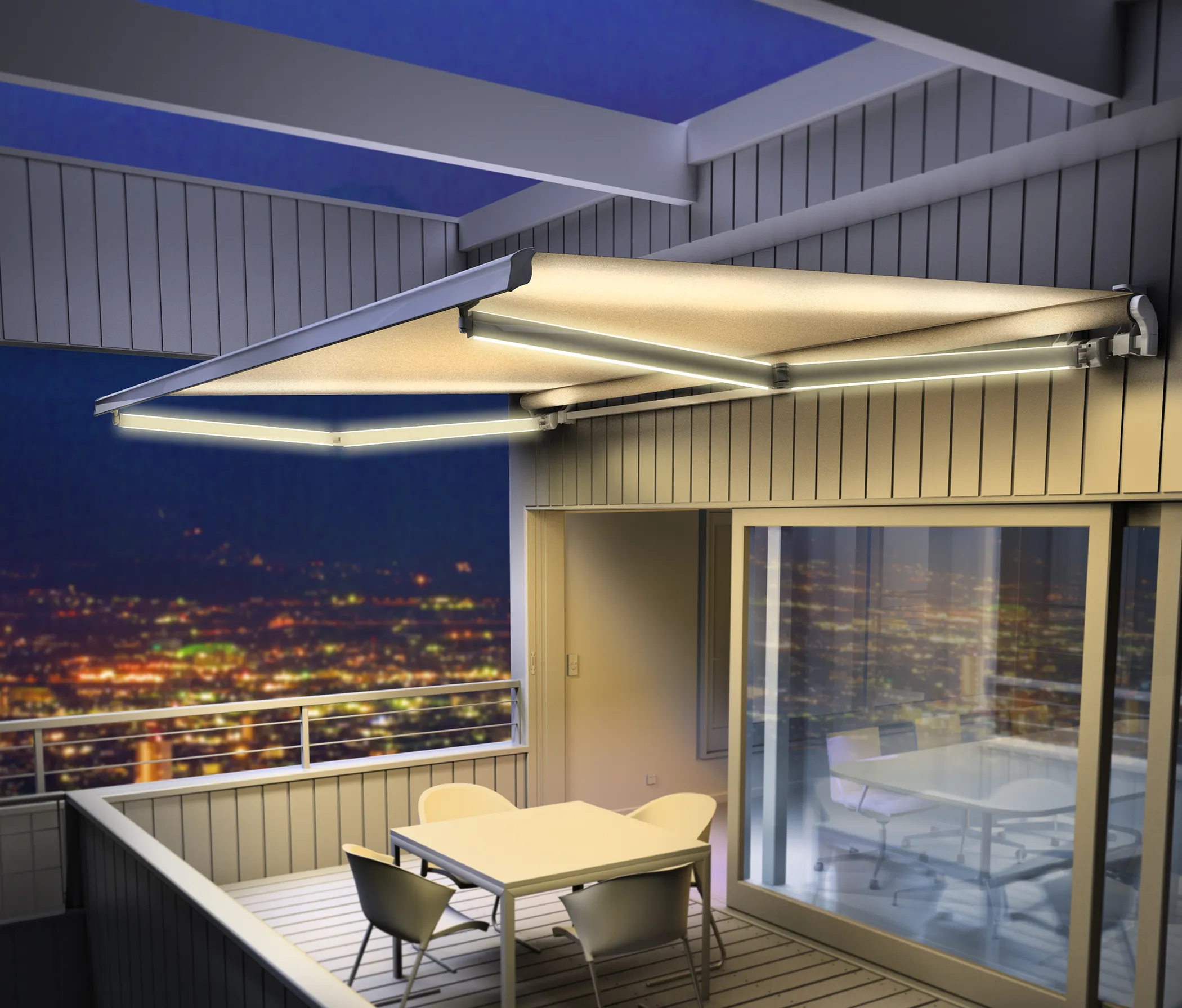
Perimeter weather-stripping seals, integrated LED lighting, and side enclosure integrations.

Key structural components of a pergola

To ensure a mechanically sound, long-lasting installation that integrates seamlessly into modern architectural environments, it is essential to rigorously evaluate the core structural elements forming the system’s framework.

Posts, beams, and aluminum profiles

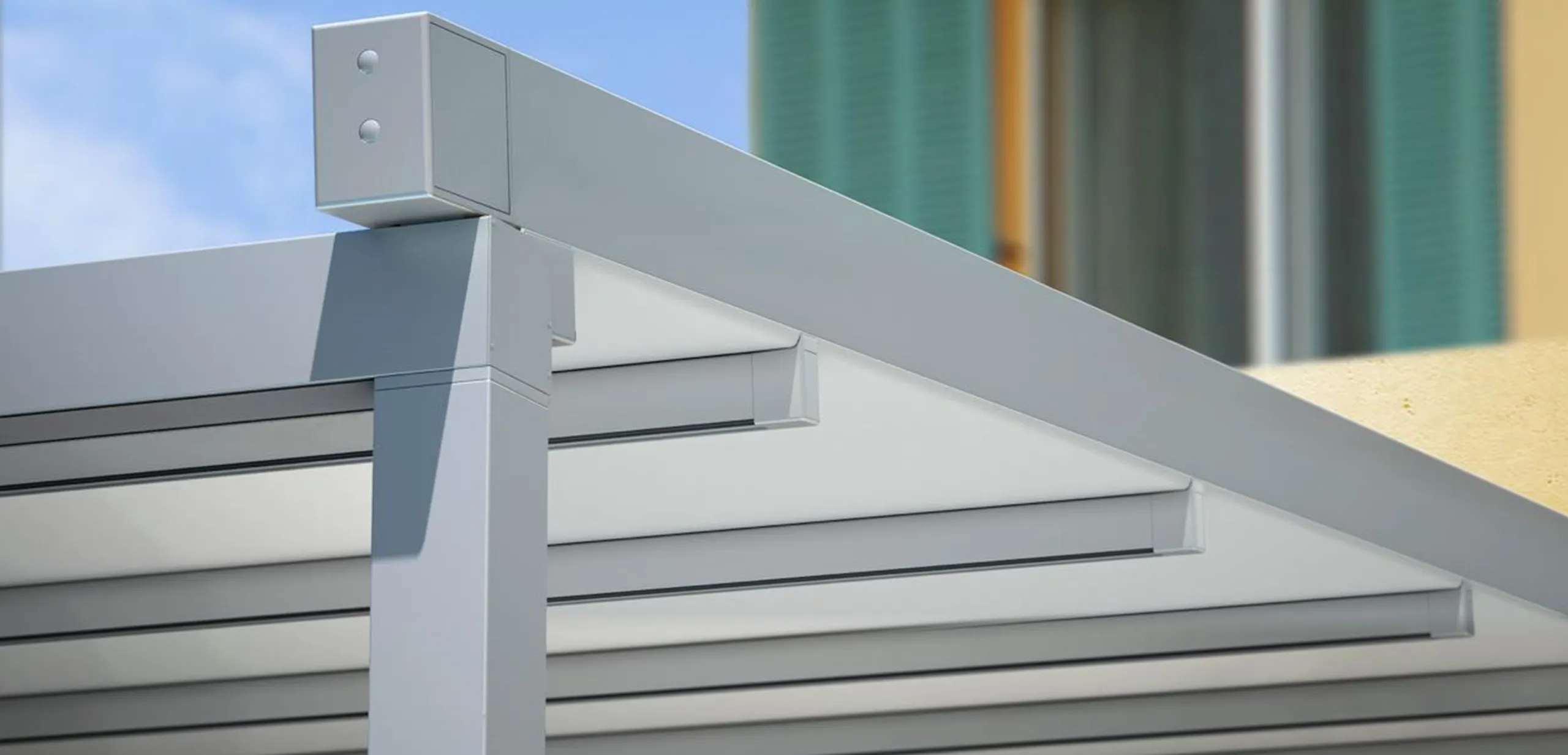
The stability of any outdoor installation starts with a solid pergola structure. Extruded aluminum profiles act as the key components of a modern pergola, providing exceptional resistance to bending without adding unnecessary weight to the floor slab.

  • Posts (Columns): Support primary vertical loads while serving, in professional-grade systems, as housing for internal, concealed rainwater downspouts—eliminating visible exterior pipework.


  • Perimeter Beams: Distribute horizontal mechanical stress across the span while acting as a rigid structural frame that guides overhead louver arrays or retractable fabric tracks.


  • Intermediate Profiles: Reinforce the structural grid and maintain precise alignment across larger spans, ensuring clean, minimalist architectural sightlines.

Anchors and fastening systems

Resistance to wind uplift and overall structural integrity depend directly on high-performance pergola anchors and structural fastening hardware. Selecting certified anchor points on reinforced concrete footings, post-tensioned slabs, or load-bearing masonry ensures that wind suction loads are safely absorbed and dissipated.

Utilizing marine-grade stainless steel fasteners and anti-corrosive mounting hardware prevents galvanic corrosion, guaranteeing exceptional structural longevity in harsh coastal environments or high-exposure commercial settings.

Pergola roofing, drainage, and other systems

Beyond the primary framing and perimeter supports, long-term environmental comfort and operational efficiency rely on the dynamic mechanisms governing solar control and rainwater evacuation.

Louvers and roofing systems

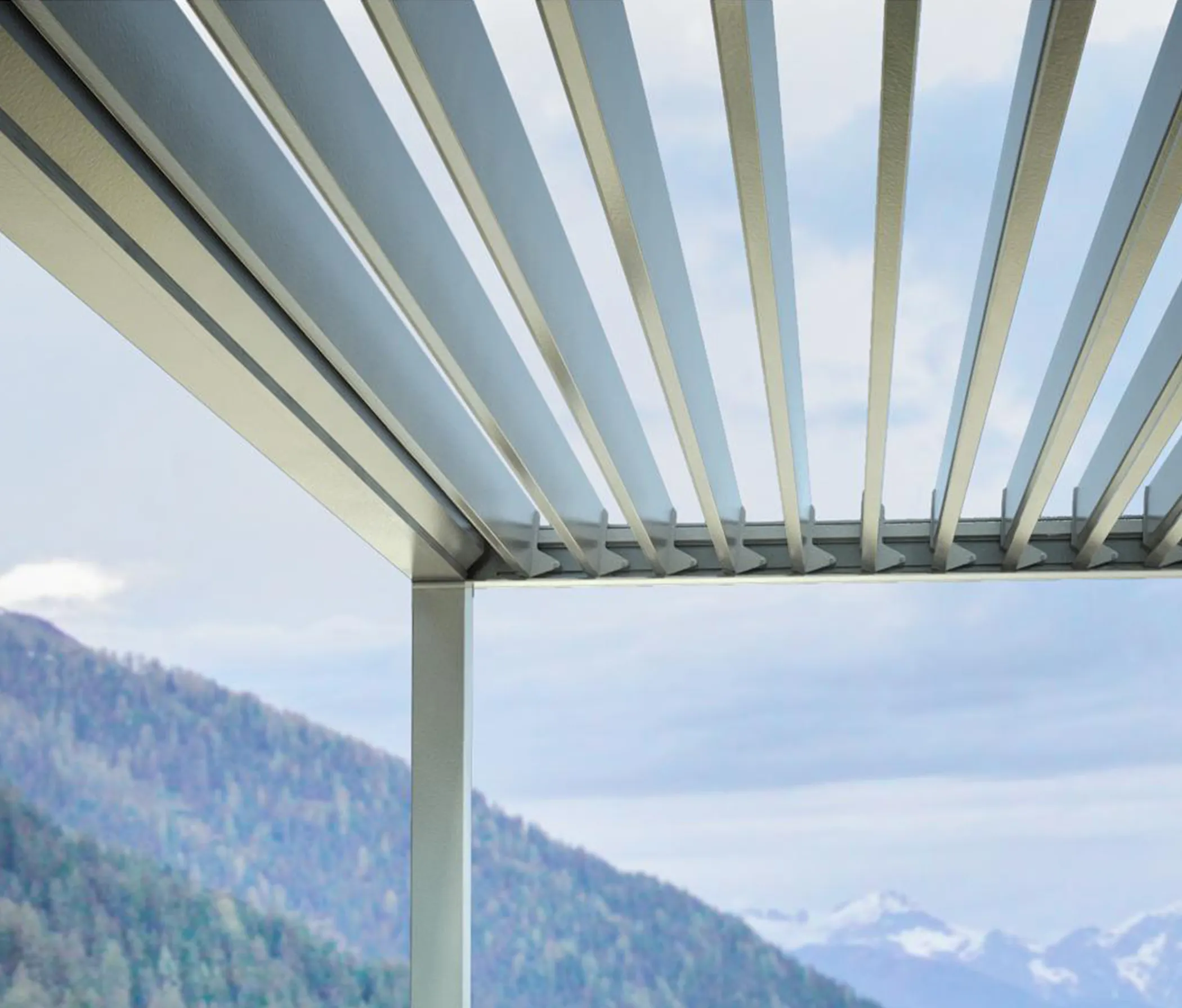
Within solutions focused on climate comfort, bioclimatic pergolas utilize overhead roofing made of orientable aluminum louvers that naturally regulate ventilation and solar incidence.

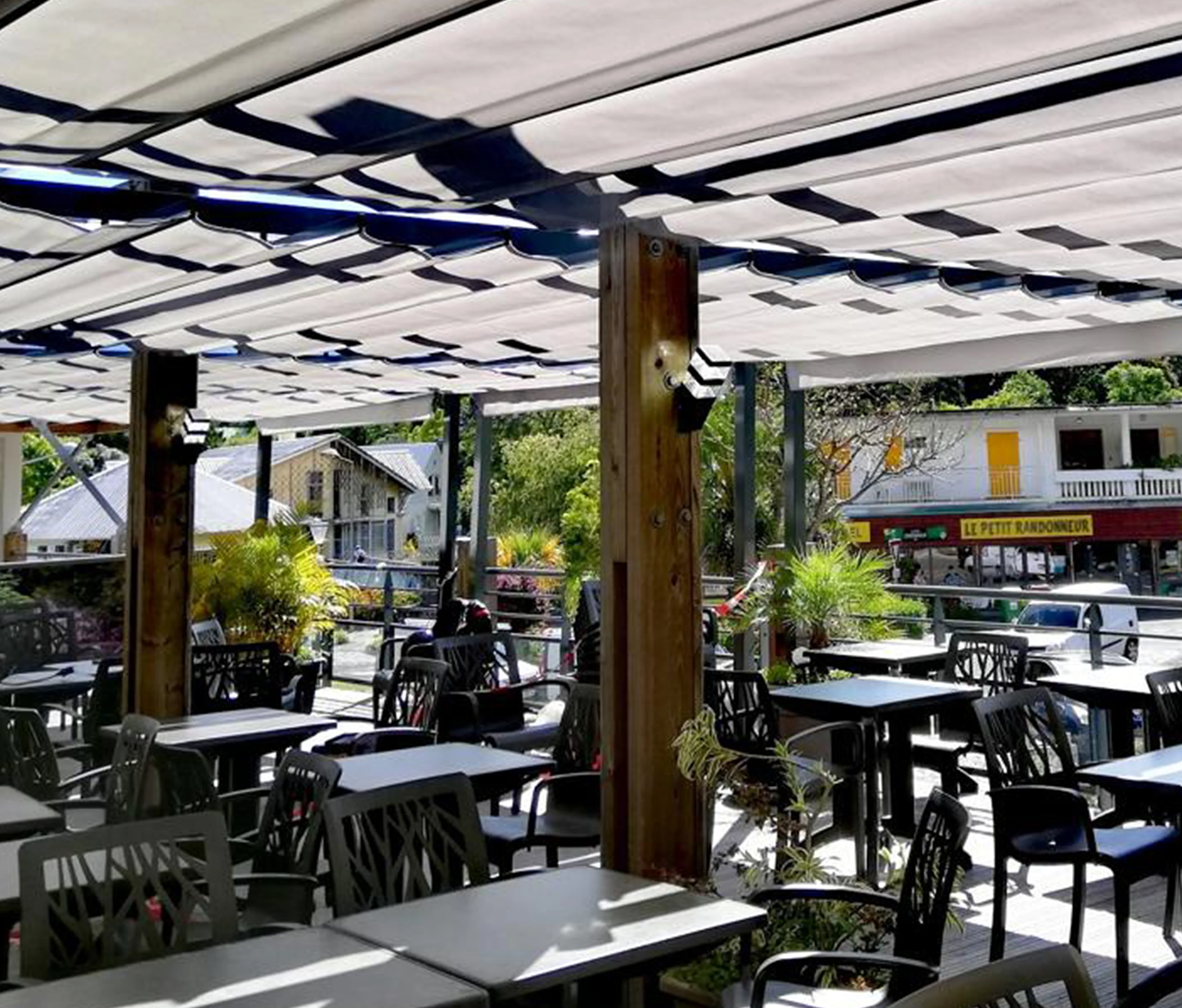
Likewise, for projects requiring textile textures or tensioned membranes, specialized retractable tensioned pergolas offer high weather resistance.

Drainage and water runoff systems

Efficient water management is critical to prevent standing water or overflow onto the outdoor living space below. Professional-grade aluminum pergola components feature integrated perimeter gutter channels concealed within the upper support beams. Collected rainwater is routed through internal gutters into the vertical posts, discharging discreetly at ground level without compromising the pergola’s clean visual profile.

Motorization and automation

Integrating specialized pergola motorization and automation brings significant added value to commercial and residential projects. Linear actuators or concealed tubular motors—paired with automated weather sensors for wind, rain, and temperature—allow the pergola elements to react autonomously to sudden weather shifts, protecting both the structural assembly and the furniture below.

What should you consider when choosing pergola parts?

When selecting the most suitable technical solutions for each outdoor patio design project, professionals should evaluate a series of fundamental criteria:

  • Strength and stability: Verify structural profile engineering against regional building codes, wind load ratings, and snow load capacities.


  • Durability and weather resistance: Insist on certified surface treatments—such as Qualicoat-certified powder coating or technical anodizing—that effectively shield aluminum profiles against UV radiation, oxidation, and aggressive saline environments.


  • Material quality and maintenance: Choose precision-machined mechanical components that guarantee smooth, silent, friction-free operation for moving parts over thousands of cycles, minimizing ongoing maintenance costs.


  • Adaptability and customization for each project: Ensure high modularity in the profile design to accommodate custom dimensions, irregular wall openings, or integrated side enclosures (such as vertical zip screens or glass sliding doors).


  • Compatibility between components: Prioritize single-source, engineered pergola systems where structural profiles, mounting brackets, seals, and drive mechanisms are specifically engineered for seamless interoperability and rapid jobsite assembly.

Benefits of aluminum for pergola structures

The use of aluminum profiles has established itself as the quality benchmark in the architectural specification sector over traditional materials like wood or iron. Aluminum stands out for its excellent strength-to-weight ratio, complete recyclability, and zero maintenance in humid conditions.

Companies in the sector, such as Siplan Ibérica, develop advanced profiling systems and components specifically designed for installers and professionals—guaranteeing watertight joints, impeccable aesthetic finishes, and premium solutions for all types of projects.

If you need tailored technical advice or would like to learn more about our range of systems, you can get in touch with our team through our contact page.

Your partner in solar protection projects.

We offer reliable, Spanish-made solutions backed by certified quality and a dedicated, approachable team that supports you every step of the way.

Related news