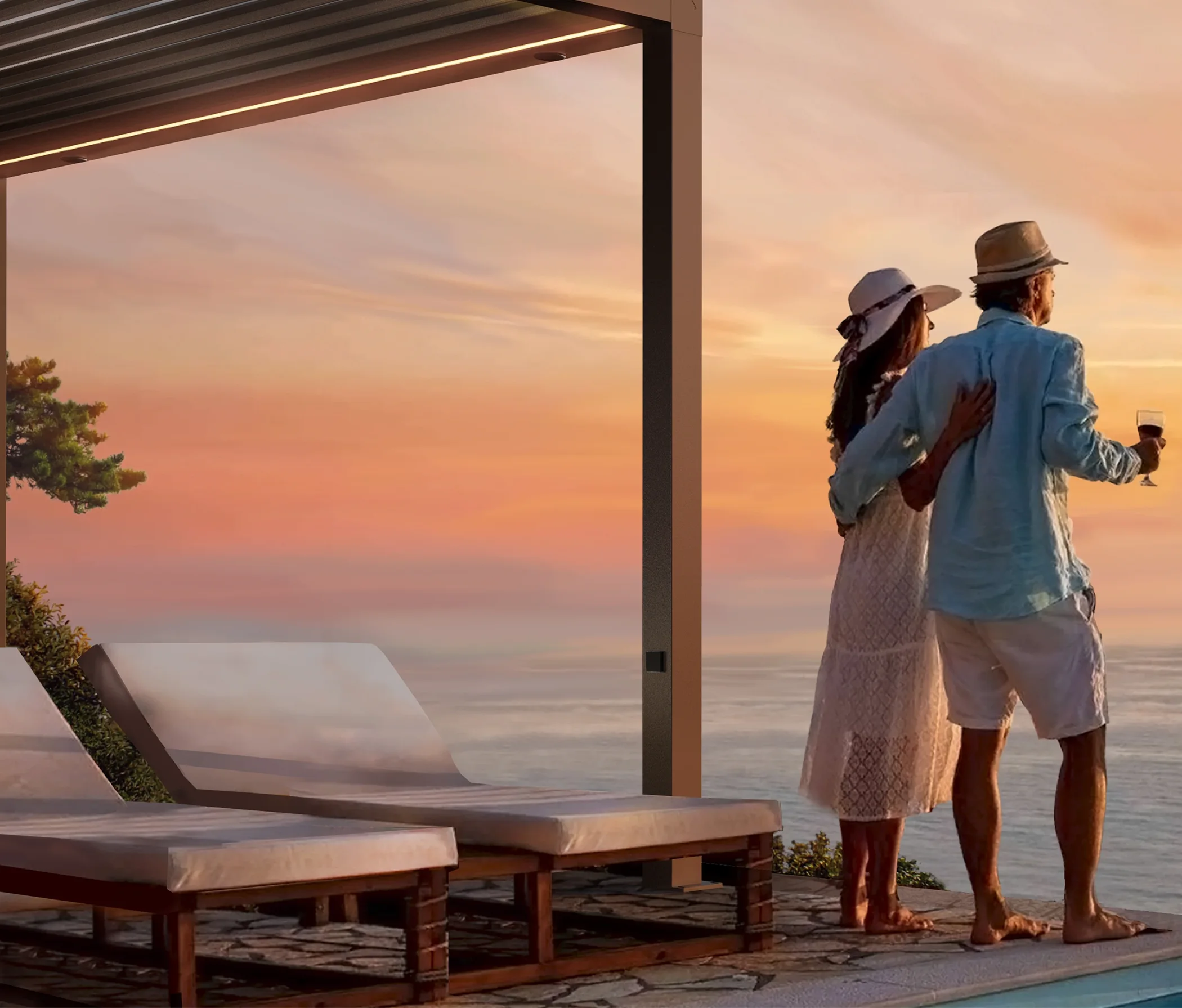
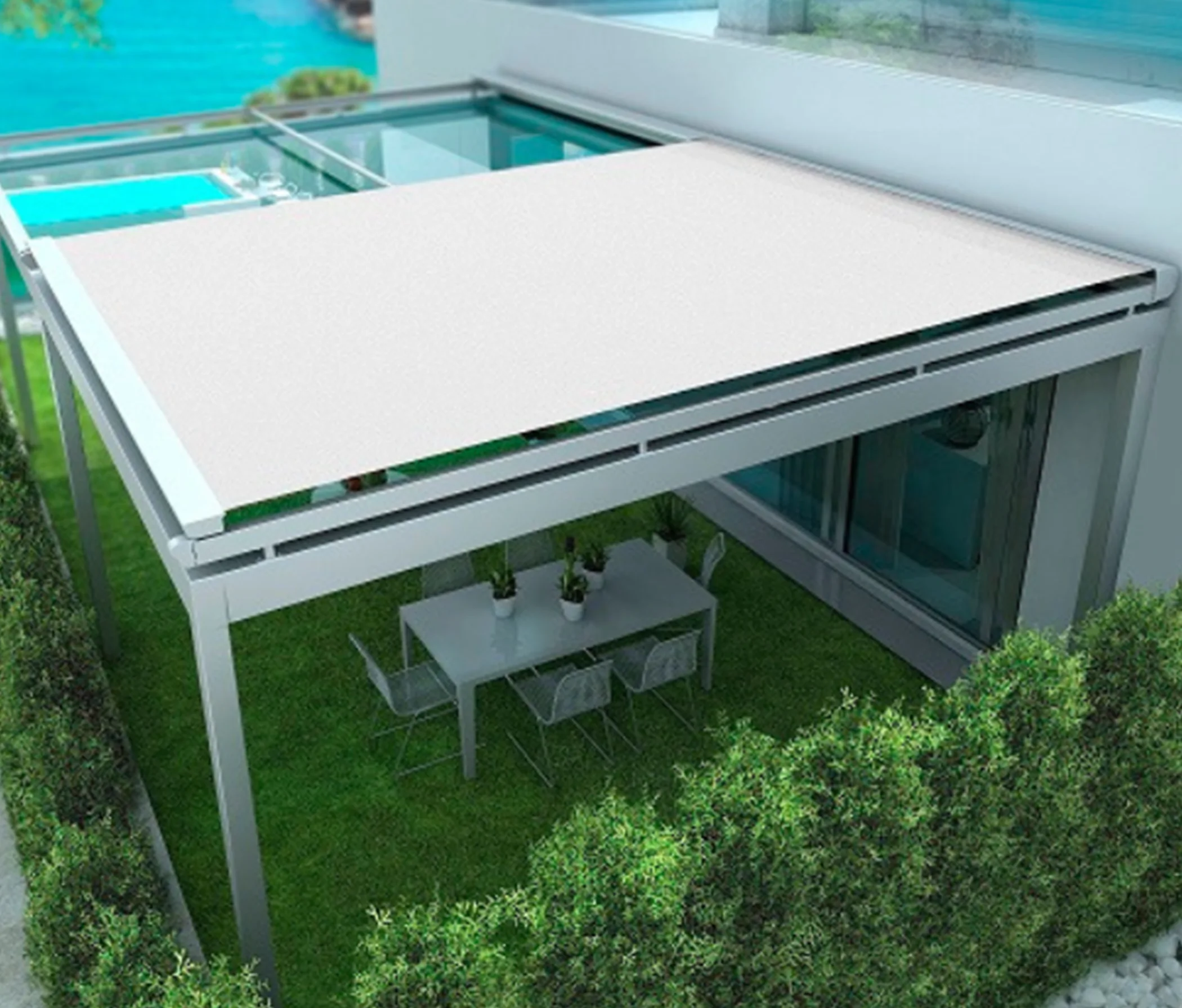
Choosing the right pergola materials is one of the most critical decisions in any outdoor architectural project. Whether optimizing private terraces or deploying patio shade solutions in the hospitality (HORECA) sector, the selected structure must withstand continuous sun exposure, sharp temperature fluctuations, and harsh weather conditions.
For an installer, distributor, or specifier, understanding the mechanical and thermal properties of each material not only guarantees installation durability, but also minimizes post-sales issues and maximizes end-customer satisfaction.
Before committing to a specific structural solution, it is essential to evaluate the project holistically. Geographical location, sun orientation, and intended use determine which material will deliver the best performance over time.
Direct exposure to UV radiation, rain, wind, and coastal humidity tests structures for outdoor spaces. Durable materials for outdoor spaces must maintain structural rigidity without warping, bending, or cracking. Corrosion resistance is critical, particularly in saline or highly polluted environments, where untreated metals or improperly sealed wood undergo accelerated deterioration.
The total cost of a pergola extends beyond acquisition and installation; the maintenance rate directly affects long-term return on investment. Choosing low maintenance materials extends pergola lifespan without requiring periodic chemical treatments, sanding, or constant repainting. This is vital for commercial projects where maintenance downtime leads to financial losses.
Every architectural project demands a distinct visual language. Structure customization ranges from selecting custom colors within the RAL chart to integrating technical profiles for LED lighting or motor automation. The chosen material must allow seamless integration with the existing façade or stand out as a high-value aesthetic freestanding feature.
There are three primary raw materials used in the manufacturing of outdoor pergolas. Analyzing their differences enables professionals to select the ideal option based on technical project requirements.
| Material | Key Advantages | Key Drawbacks |
|---|---|---|
| Aluminum | High mechanical strength, rust/corrosion proof, and low maintenance. | Requires high-quality technical profiles to optimize thermal insulation. |
| Wood | Warm aesthetic and natural finish highly valued in rustic settings. | High ongoing maintenance requirements and sensitivity to moisture. |
| Steel | Superior structural rigidity suitable for spanning long distances. | Significant structural weight and high corrosion risk if untreated. |
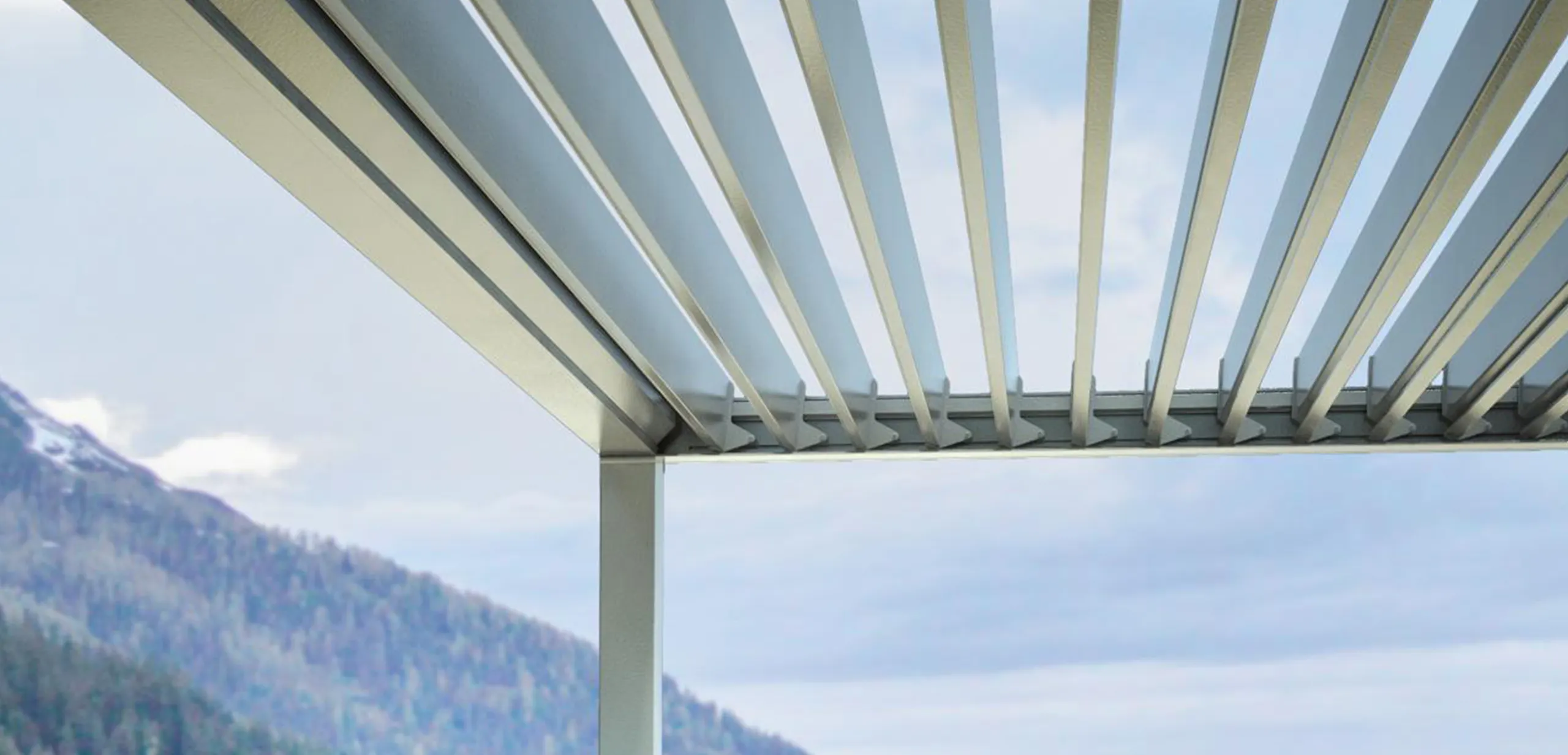
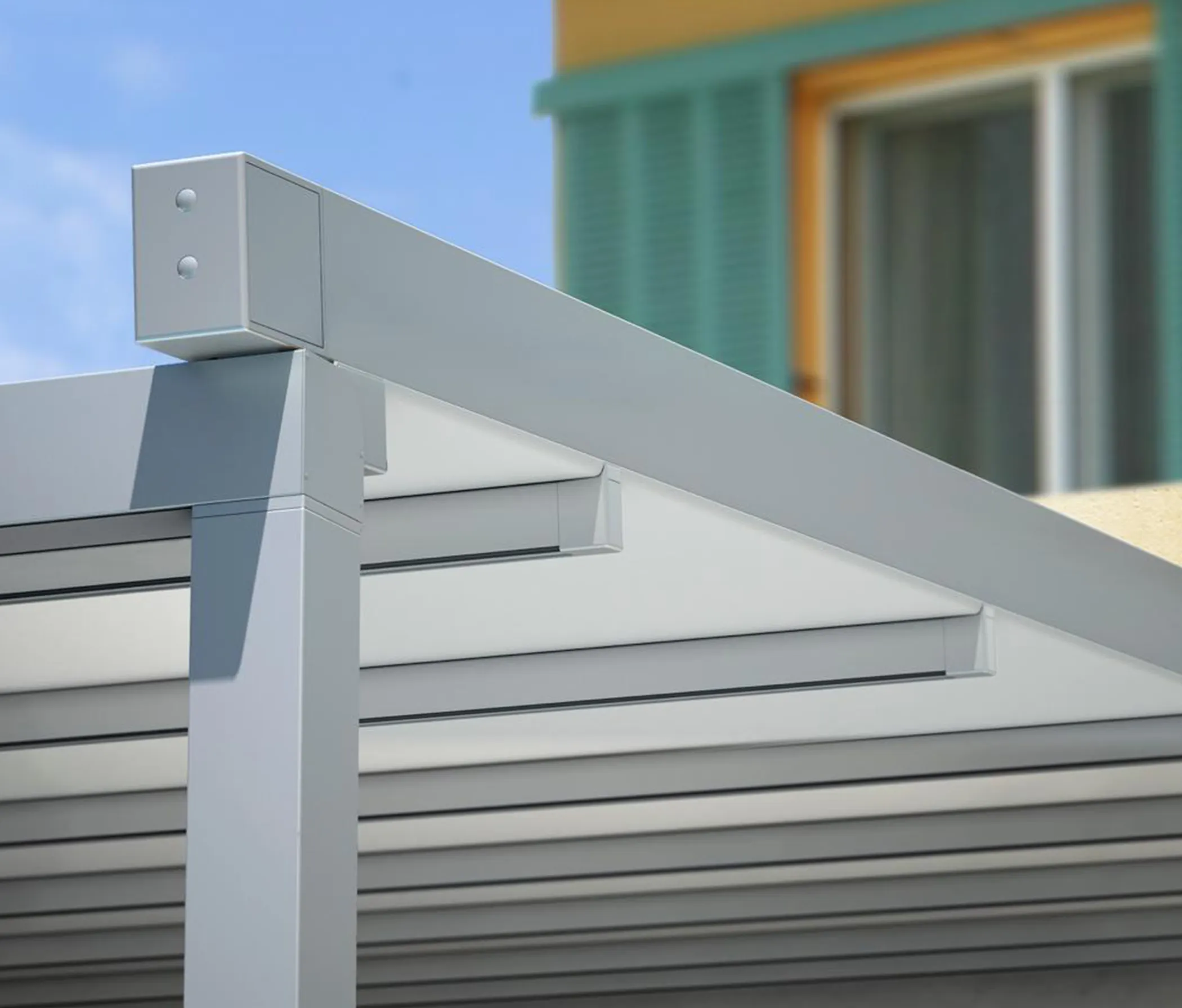
Aluminum pergolas represent the gold standard in premium solar shading systems. Extruded aluminum combines high mechanical strength with low weight, easing installation and reducing structural loads on building envelopes.
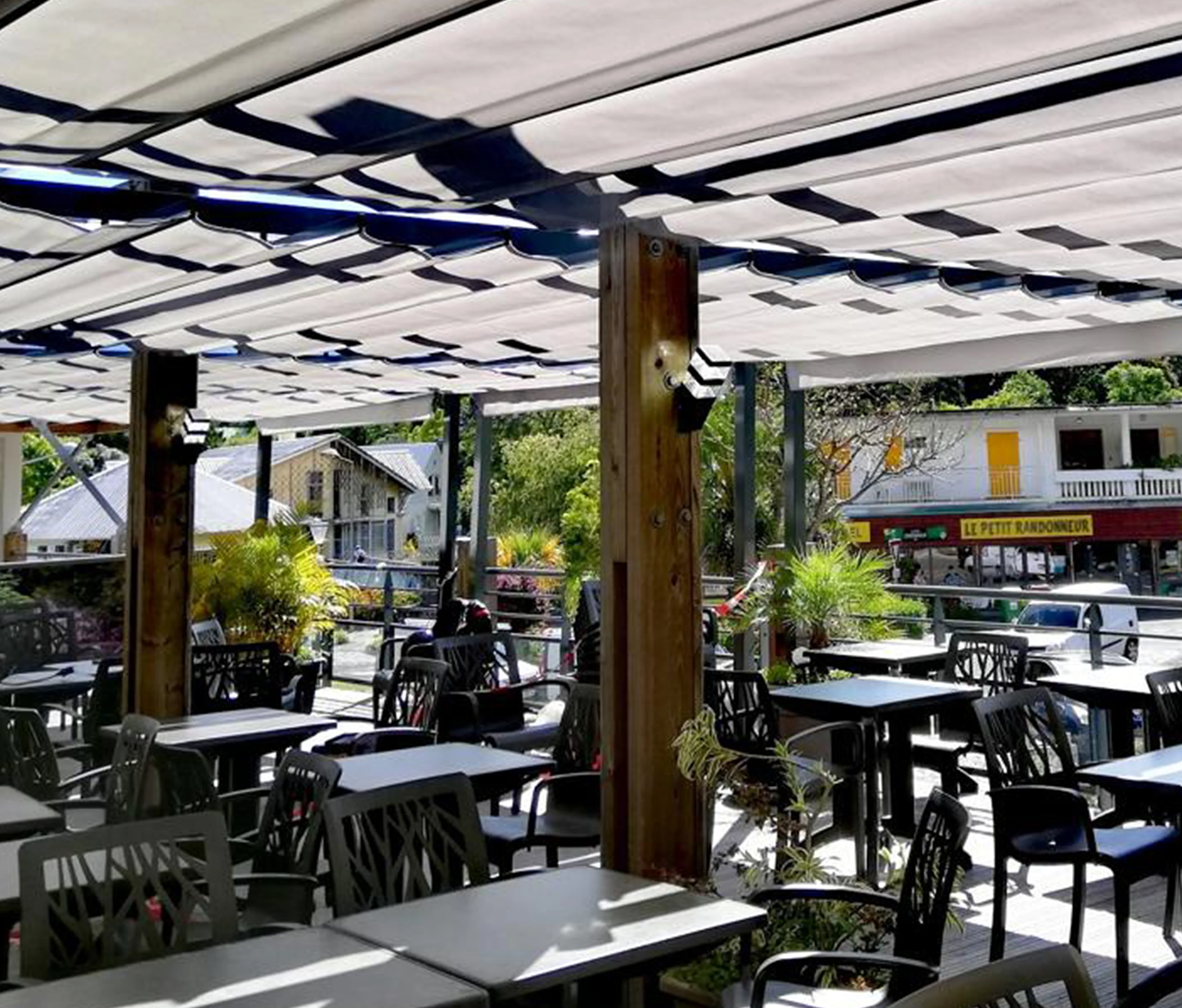
Wood pergolas offer an organic warmth favored in traditional or rustic environments. However, they require careful technical consideration:
Steel pergolas are typically specified for heavy-duty projects requiring wide spans without intermediate supports due to the material’s high structural rigidity.
The intended use of the space dictates the technical requirements of the structure.
Pergolas for homes and residential spaces
In residential types of pergolas for patio and gardens, homeowners prioritize aesthetics, comfort, and hassle-free upkeep. Aluminum structures for outdoor spaces—such as high-grade pergolas—create outdoor living rooms that can be enjoyed year-round. Integrating these structures with retractable awnings or glass enclosures promotes bioclimatic architecture, enhancing thermal regulation and overall building energy efficiency.
Pergolas for restaurants and hotels
The HORECA sector relies on maximizing outdoor square-meter profitability across all four seasons. A structure installed near a hotel outdoor pool or commercial dining terrace must withstand heavy daily use. Extruded aluminum is the material of choice due to its hygiene, ease of cleaning, and wind resistance. It supports system deployments like the Pergo-Rain series, keeping guests protected from rainfall without disrupting business operations.
Solutions for professional and commercial projects
In complex architectural interventions, technical specification capability is key. Accessing dedicated specification tools simplifies selecting profile systems that comply with European standards for wind resistance and snow loads, ensuring full structural safety.
When evaluating overall pergola durability, long-term financial return, and design versatility, aluminum consistently emerges as the top-performing material on the market.
| Evaluation Criterion | Aluminum Pergolas | Wood Pergolas | Steel Pergolas |
|---|---|---|---|
| Durability & Lifespan | High (> 30 years without degradation) | Medium (10 – 15 years, subject to wear) | Medium-High (15 – 20 years) |
| Maintenance | None (Mild soap and water only) | High (Annual sanding and treatment) | Medium (Anti-corrosive repainting) |
| Weather Resistance | Excellent (Rust and corrosion-proof) | Low (Sensitive to moisture and UV rays) | Medium (Rust risk without galvanization) |
| Design & Customization | Maximum (RAL finishes, textured powder coatings, automated systems) | Limited (Rustic aesthetic, complex machining) | Industrial (Minimalist profiles, exposed wiring) |
| Ideal Project Type | Residential, HORECA, and high-use commercial projects | Rural, rustic, or specific landscape designs | Industrial facilities or extra-large span spans |
Aluminum provides the low weight required to prevent structural overload while offering superior weather resistance compared to alternative options. Furthermore, its capacity for anodized or textured powder-coated finishes allows it to replicate the visual warmth of natural wood without the associated maintenance burden.
At Siplan Ibérica we manufacture high-grade extruded aluminum solar shading systems and components designed to meet the rigorous demands of the professional market. As a specialized manufacturer distributing to professionals and installers, our portfolio features certified retractable awning parts and structural profiles guaranteed under European quality standards.
Our range spans from traditional models like the flat awning to advanced retractable tensioned pergolas such as the Pergo-Sun 125 series or the Atica System.
If you are a distributor, architect, or professional installer looking to add high-performance aluminum structures to your catalog, reach out through our contact form to receive personalized technical guidance for your next project.
Your partner in solar protection projects.
We provide reliable solutions made in Spain, backed by certified quality and a dedicated, approachable team that supports you every step of the way.
Related news
Pergola parts: key components and their functions
Awning with LED lights: benefits and key criteria for choosing a high-quality system
Restaurant exterior design: ideas to create more attractive outdoor spaces this summer
Hotel outdoor pool areas: how to improve guest comfort and experience this summer
Patio shade solutions: how to prepare your outdoor space for summer
Bioclimatic architecture: how to design a more energy-efficient home