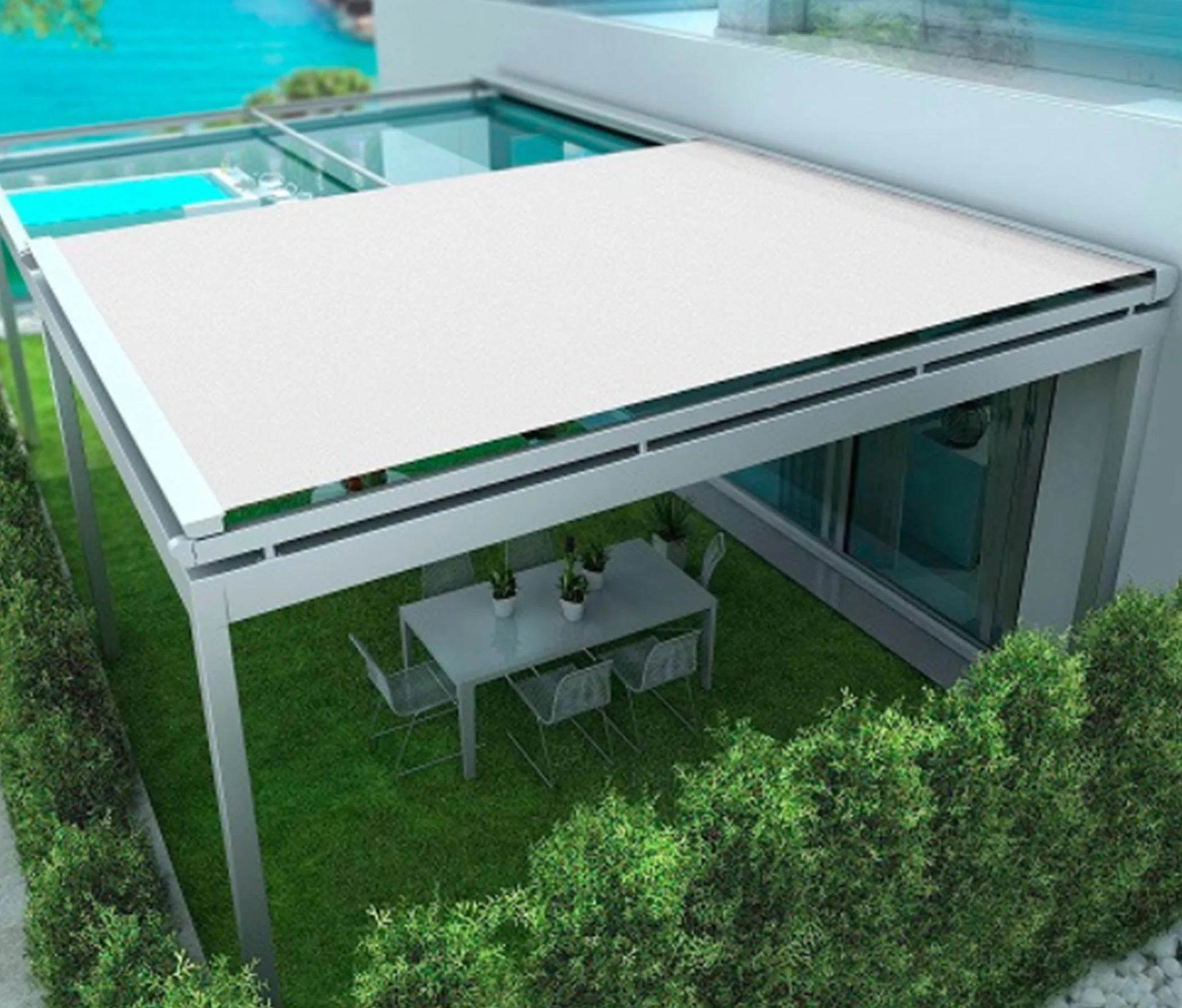
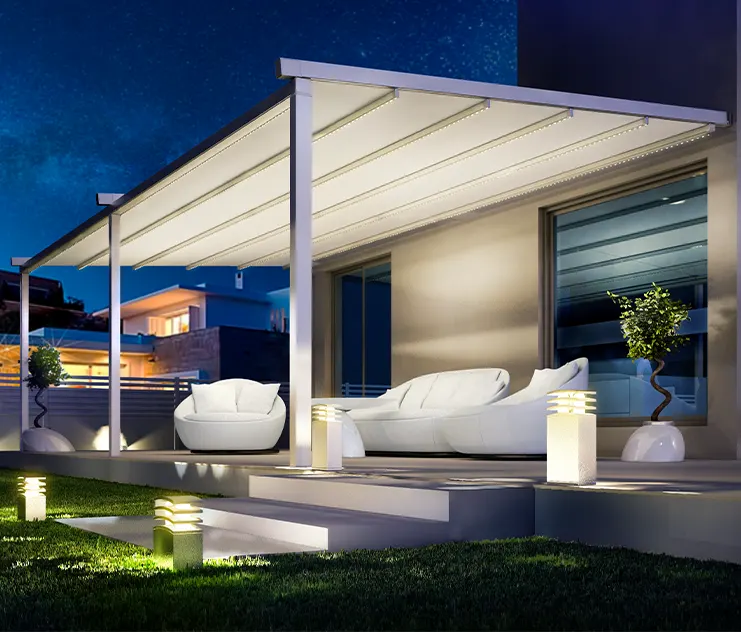
Having the right types of awnings can completely transform any outdoor space. The different types of terrace awnings not only protect against sun, rain or wind, but also add aesthetics, comfort and added value to the home.
In this comprehensive guide, you will discover the different awning models, their materials, advantages and practical tips for choosing the most suitable option. You will also learn why the structure is a fundamental element and how Siplan Ibérica, a manufacturer of high-quality structures, guarantees durability and safety in every installation.
An outdoor terrace awning offers much more than just an aesthetic improvement. It is an investment in comfort, energy efficiency and long-term durability for your outdoor space.
Solar protection and thermal comfort
Sun awnings filter UV rays, reduce temperatures and allow you to enjoy the terrace even during the hottest hours of the day. In addition, they protect furniture, plants and flooring from wear caused by sun exposure.
Energy savings
By reducing direct solar radiation on windows and doors, awnings help keep indoor spaces cooler, lowering the need for air conditioning. This makes them a sustainable and energy-efficient solution.
Weather resistance
Modern awning materials are designed to withstand wind, rain and prolonged sun exposure without losing colour or shape, ensuring a long service life.
Decoration and style
A terrace awning can become a key decorative element that blends seamlessly with the overall design of the home. There are modern, classic and minimalist options available, with fabrics and colours that adapt to any environment.
Choosing the ideal awning depends on the available space, the intended use and the desired level of protection. Below, we explore the most common models and their main characteristics.
These are among the most versatile and widely used types of awnings. Retractable or articulated arm awnings allow the fabric to be extended or retracted depending on the moment, offering great flexibility in daily use.
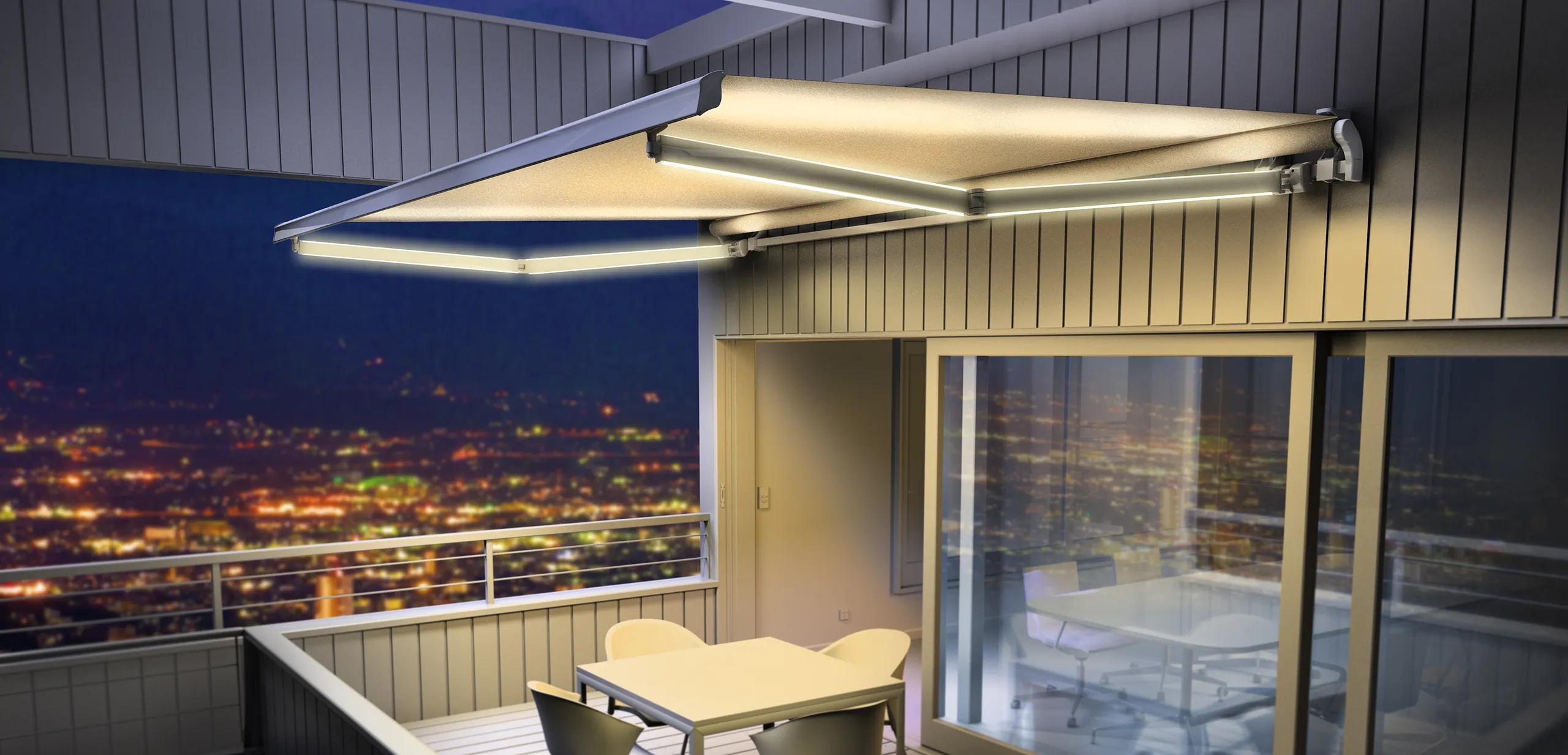
They can be operated manually or motorised, improving ease of use and overall comfort. Motorised models often include sun or wind sensors that automatically extend or retract the awning, helping to protect the fabric and extend its lifespan.
Main advantages:
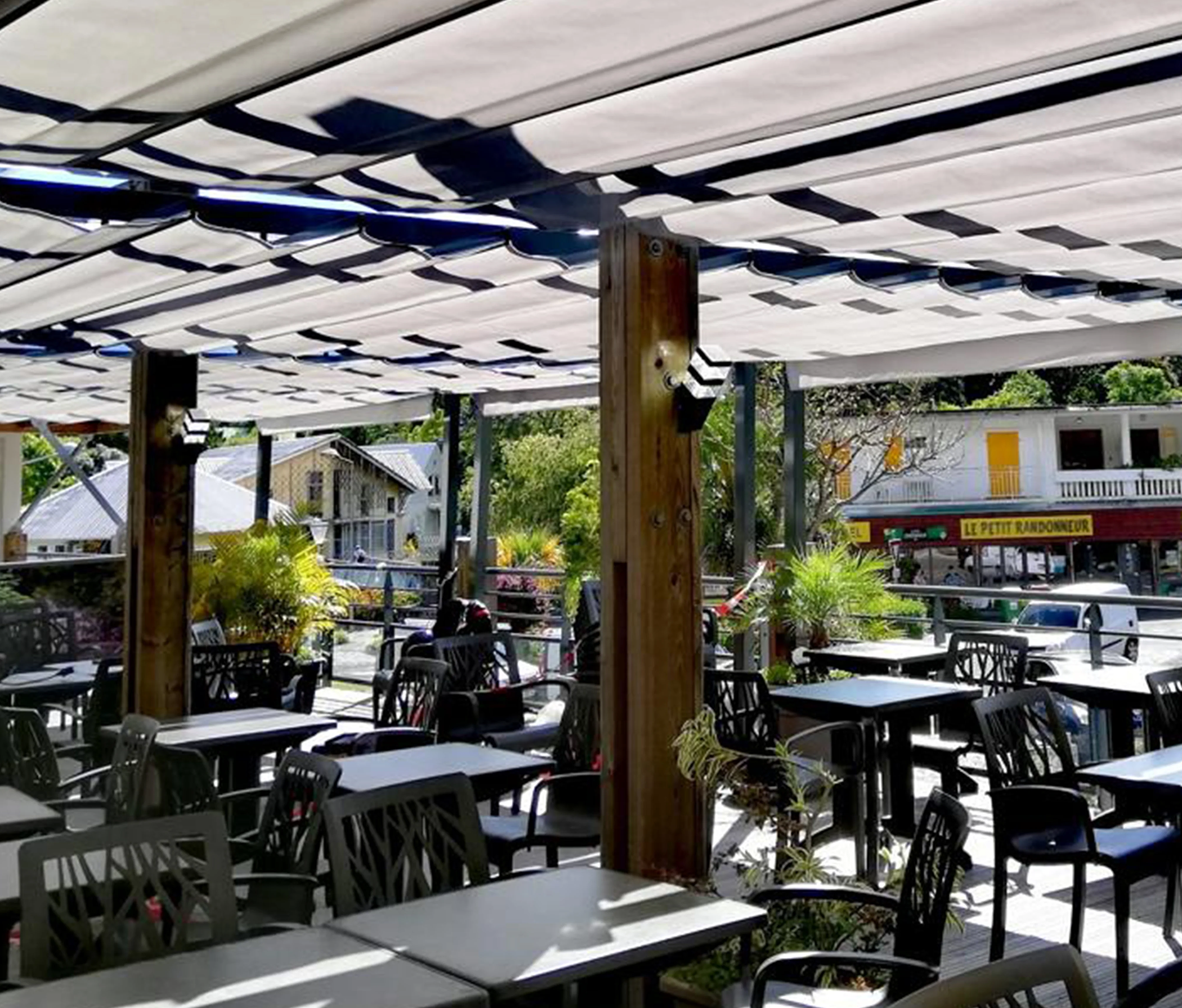
They are ideal for residential terraces, commercial premises or restaurants looking for adjustable shade with a clean, elegant aesthetic.
Main advantages:
They can be manual or motorised and, in both cases, provide excellent solar and weather protection with minimal maintenance, making them a perfect solution for terraces used all year round.
Choosing the ideal types of awnings involves assessing several technical and aesthetic factors. These are the main aspects to consider before making a decision.
Measure the space carefully and define which area you want to cover. For large terraces, it may be advisable to combine several awnings or choose an extendable model with long arms. For balconies or small patios, roll-up awnings are a lighter and more practical option.
The fabric is essential to ensure durability and effective protection. The most common options include:
Acrylic fabrics
These are the most widely used due to their excellent performance against sun exposure. They are manufactured using solution-dyed fibres, which ensures that the colour remains vibrant even after years of exposure to sunlight. In addition, they are breathable, preventing heat build-up beneath the awning and reducing the feeling of stuffiness during the summer months. They also repel water and dirt easily, making them a well-balanced option in terms of aesthetics, resistance and thermal comfort.
Polyester fabrics
They stand out for their light weight, easy maintenance and good value for money. These fabrics are economical and easy to clean, and are widely used in retractable or roll-up awnings, as their flexibility facilitates continuous folding and unfolding. Although their resistance to UV radiation is slightly lower than that of acrylic fabrics, modern polyester fabrics treated with protective coatings offer notable durability against sun exposure and humidity. They are a practical alternative for terraces or balconies where functionality, aesthetics and low maintenance costs are required without sacrificing a clean, modern finish.
Micro-perforated fabrics
Made from next-generation technical textiles that combine PVC and polyester to achieve a strong yet ventilated structure. Thanks to their tiny perforations, they allow air to pass through and reduce wind pressure, preventing the “sail effect” in exposed areas. In addition, they filter solar radiation without completely darkening the space, offering a perfect balance between protection, visibility and comfort. They are especially recommended for large terraces, penthouses or environments with high wind exposure.
Choose a fabric with waterproof and UV protection treatments to ensure optimal performance.
The opening system is one of the most important aspects when choosing an awning, as it determines both ease of use and long-term durability. There are two main options available: manual and motorised, each with its own advantages depending on the type of installation and how the terrace will be used.
Manual awning
This is the most traditional and economical option. It operates by means of a crank handle that allows the fabric to be extended or retracted easily. Although it requires a small physical effort, its mechanical system is very reliable and requires virtually no maintenance.
Manual awnings are ideal for small or occasionally used spaces, such as balconies or urban terraces, where there is no need to open and close the awning several times a day. In addition, as they do not rely on electricity, they are an efficient and sustainable option, perfect for those looking for a simple, low-cost installation.
Motorised awning
Motorised awnings, on the other hand, offer a higher level of comfort. They operate via an electric motor integrated into the awning roller tube, which can be activated using a remote control, a wall-mounted switch or even a mobile application. This system allows for smooth, quiet and precise opening and closing, making it ideal for large awnings or for installations with frequent use.
Many motorised models incorporate smart technology, such as wind, rain or solar radiation sensors, which automatically extend or retract the awning depending on weather conditions. In this way, both the fabric and the structure are better protected, avoiding unnecessary strain and extending the overall lifespan of the system.
In addition, motorised systems can be integrated into home automation projects, enabling centralised control of other household elements such as blinds or outdoor lighting. Although they require a slightly higher initial investment, they provide a safer, more modern and more efficient user experience.
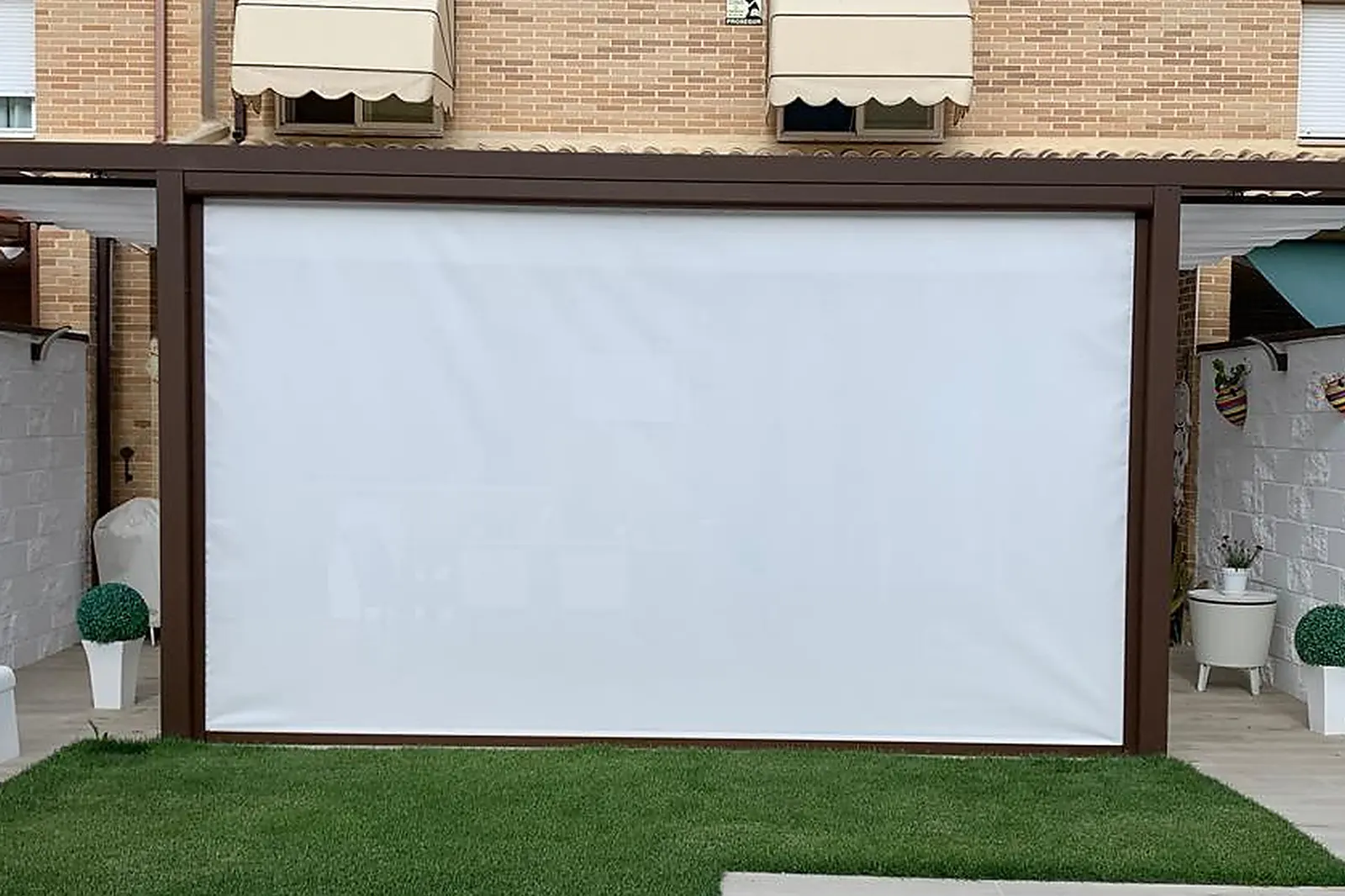
If the terrace is exposed to wind or rain, it is advisable to choose awnings with reinforced structures and high-resistance fabrics. Fixed models or systems with side guides offer the greatest stability under these conditions.
The awning should integrate seamlessly with the overall aesthetic of the space. You can choose neutral colours for an elegant look, or vibrant tones that add energy and character.
Metallic finishes, technical fabrics and minimalist designs are strongly present in current trends.
Beyond the fabric or the opening system, the awning structure is the element that defines its quality and durability. Stability, safety and the ability to withstand adverse weather conditions all depend on it.
A well-designed awning structure should combine:
Investing in a high-quality structure ensures that the awning will maintain its shape, colour and functionality for years.
At Siplan Ibérica, we design and manufacture structures built to last, adapted to the different types of awnings and the real needs of each project. Our work begins long before installation: we analyse the space, orientation and environmental conditions in order to deliver a solid, stable and safe awning structure.
We work with high-quality materials, such as extruded aluminium and steel with anti-corrosion treatments, which ensure excellent resistance to weather exposure, even in areas with wind or high humidity. We take care of every design detail and anchoring point so that the structure can easily withstand the weight of the awning, wind loads and continuous day-to-day use.
We collaborate closely with installers and industry professionals to provide solutions for retractable, fixed and roll-up awnings, as well as for special projects in residential terraces, commercial premises and hospitality spaces. Our goal is to ensure that every awning is supported by a reliable structural base that provides long-term peace of mind.
Understanding the different types of awnings and their characteristics will allow you to choose the perfect option for your space. Always consider size, climate and design, but do not forget that the structure is the heart of the system: the element that ensures long-term strength and functionality.
With Siplan Ibérica structures, every awning becomes an elegant, safe and durable solution. If you are thinking about installing or upgrading your awning, please get in touch with us. We will be happy to advise you and help you find the most suitable solution for your space.
Your partner in solar protection projects.
We offer you reliable solutions manufactured in Spain, with certified quality and a friendly team that accompanies you at every stage.
Related news
Restaurant exterior design: ideas to create more attractive outdoor spaces this summer
Hotel outdoor pool areas: how to improve guest comfort and experience this summer
Patio shade solutions: how to prepare your outdoor space for summer
Bioclimatic architecture: how to design a more energy-efficient home
Exterior design: how to integrate solar shading systems in architectural projects
How to integrate solar shading systems to improve energy efficiency in buildings