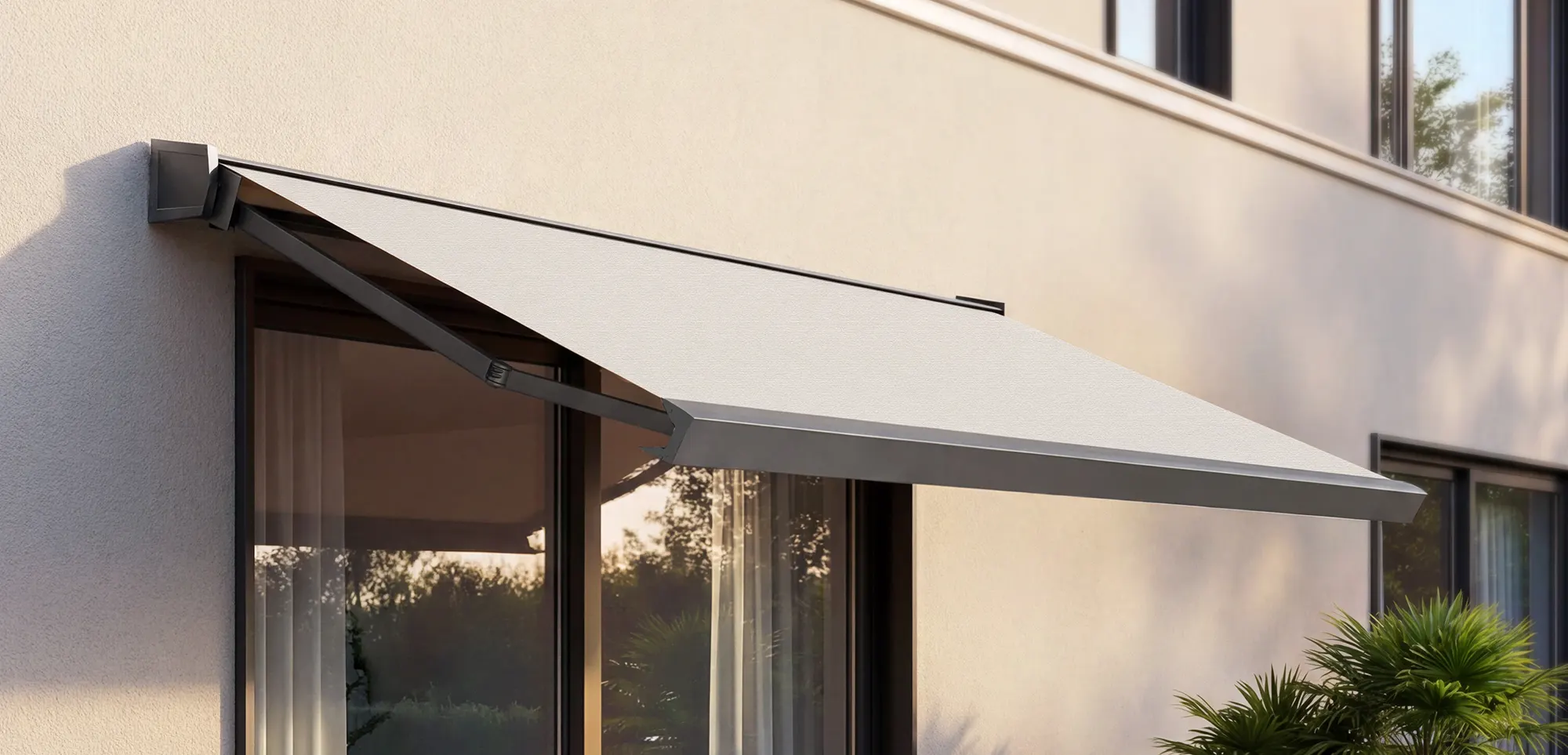
Awnings parts: A practical guide for professionals

Knowing the awnings parts in detail is key to ensuring safe, long-lasting, and well-executed installations.

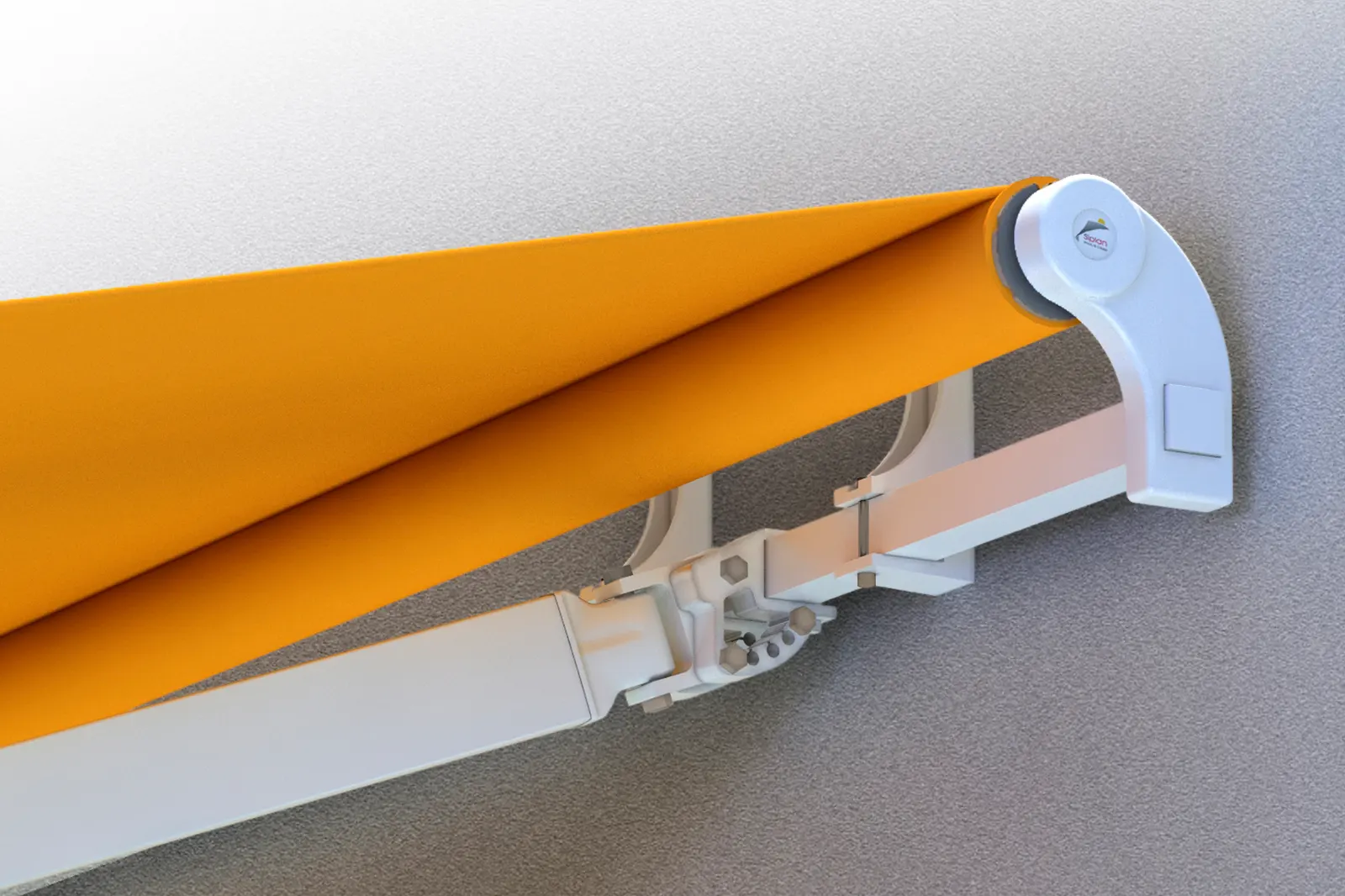
At Siplan Ibérica, we work daily with installers and distributors who need to thoroughly understand every component of the system: from the awning structure and supports to the arms, awning mechanism, and fabric.

Each piece fulfills a specific function, and its correct choice makes the difference in the final result. This practical guide is designed for professionals seeking to improve their technical criteria in awning installation, optimize maintenance, and offer solid advice to their clients.

Throughout the article, we review the main awnings parts, their function, and their importance within the assembly, placing special emphasis on structural solutions, arms, and aluminum awning components designed to work reliably on-site, like those we develop at Siplan Ibérica for the professional sector.

As a professional, why should you know the awnings parts?

Mastering awnings parts gives you an advantage at three key moments: before, during, and after installation.

Understanding how the structure, arms, and awning attachments work helps you avoid typical errors: poorly dimensioned anchors, twisting, lack of leveling, or irregular tension in the fabric.

When slack, noise, or misalignments appear, identifying the exact component (arm, support, hardware, roller tube, cassette, etc.) reduces time and improves the customer experience.

An awning for a sheltered balcony is not the same as an awning for an outdoor terrace exposed to the wind. Knowing the aluminum awning components allows you to technically justify the choice (and the budget) with clear arguments.

The availability of compatible awning supplies and awning accessories makes the difference. A modular and well-manufactured system simplifies replacements and avoids improvisation on-site.

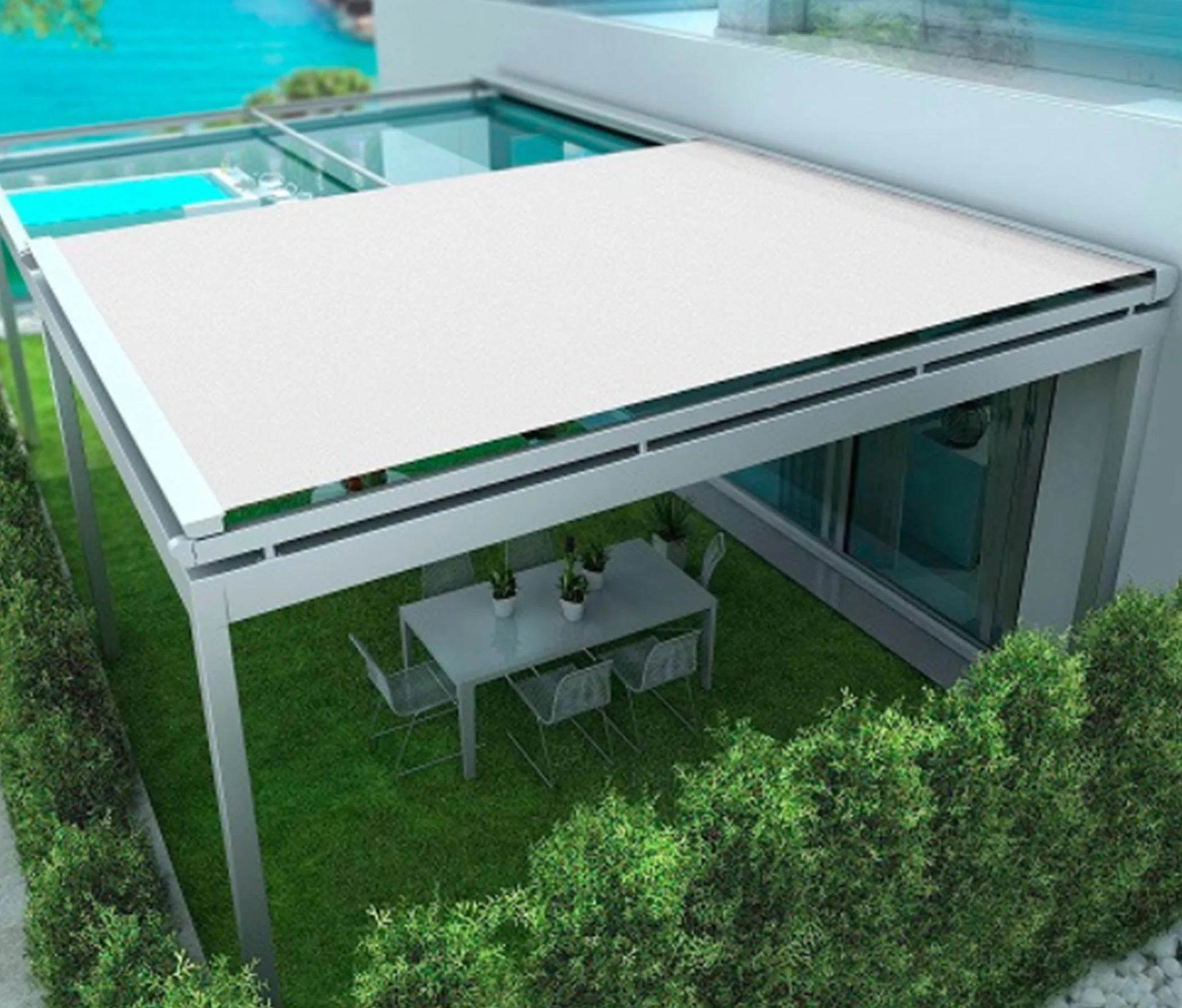
Awning structure: support, stability and safety

The awning structure is the foundation of everything: it supports loads, transmits efforts to the facade/ceiling, and determines stability against wind and repeated use. A well-designed structure not only lasts longer; it also improves the system’s operation and reduces incidents.

At Siplan Ibérica, the focus is on manufacturing robust and reliable structural solutions for professionals, with profiles and aluminum awning parts designed for precise assembly, good adjustment, and real weather resistance. A good structure doesn’t just “accompany” the awning: it makes it possible.

Main components of the structure

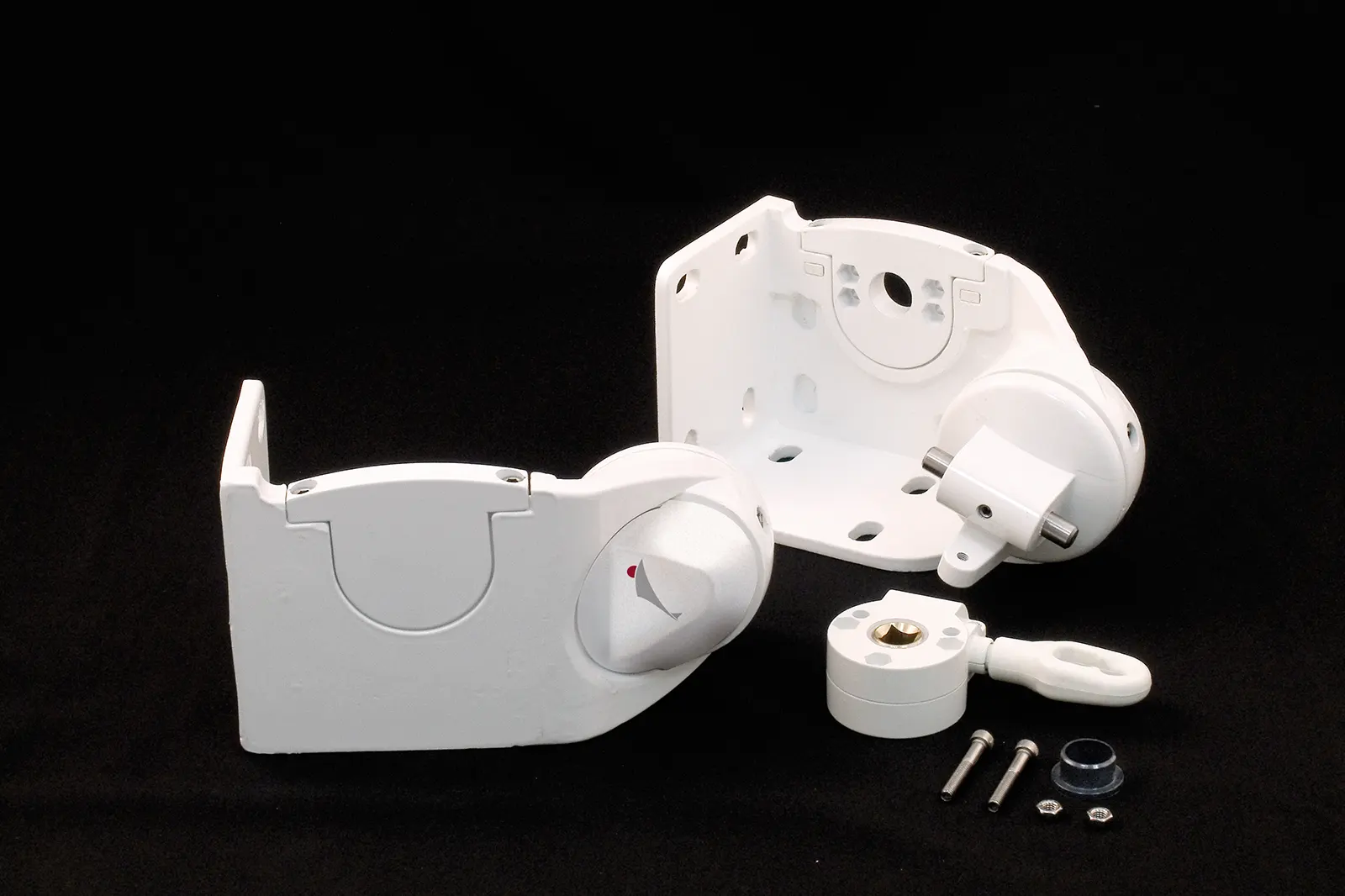
These are the pieces that, in practice, support and align the assembly:

Types of supports and anchors

The choice of the awning attachments and their fixing system depends on the actual support on-site and the exposure:

Opening arms and mechanisms

If the structure is the base, the arms and mechanisms are the functional “motor” of the system. They determine how it opens, how it closes, and how the awning behaves with daily use.

In professional projects, the arms must offer strength, stability, and smooth movement, without jerks or deformations. At Siplan Ibérica, the design of arms and components seeks precisely that: constant performance and ease of maintenance, with solutions designed for installers who want reliable systems and clear spare parts.

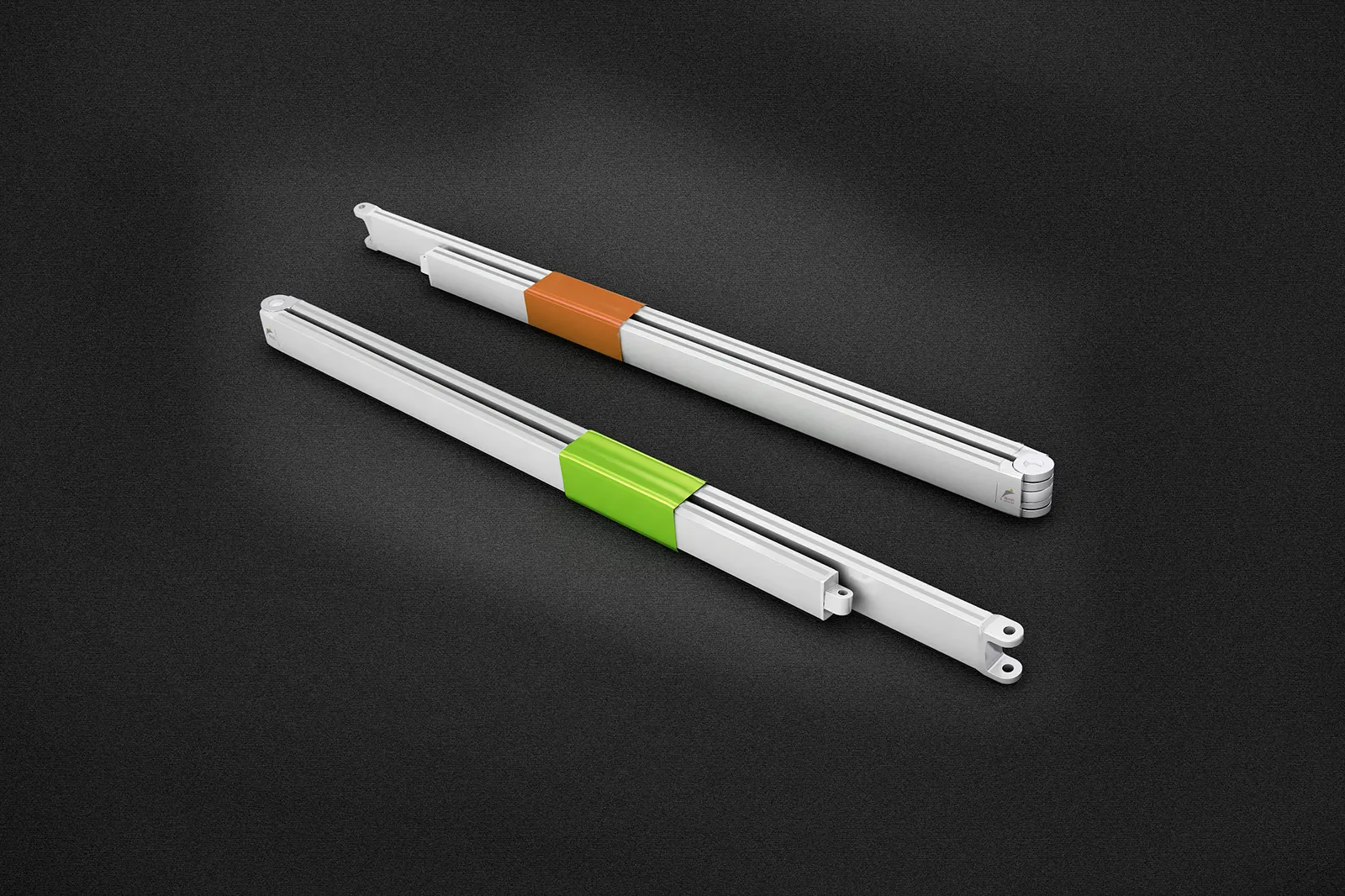
Types of awning arms

The awning arms are one of the most critical components of the system, as they determine the projection, the tension of the fabric, and the awning’s behavior against the wind and continuous use. Choosing the right type of arm is key to ensuring stable and long-lasting operation.

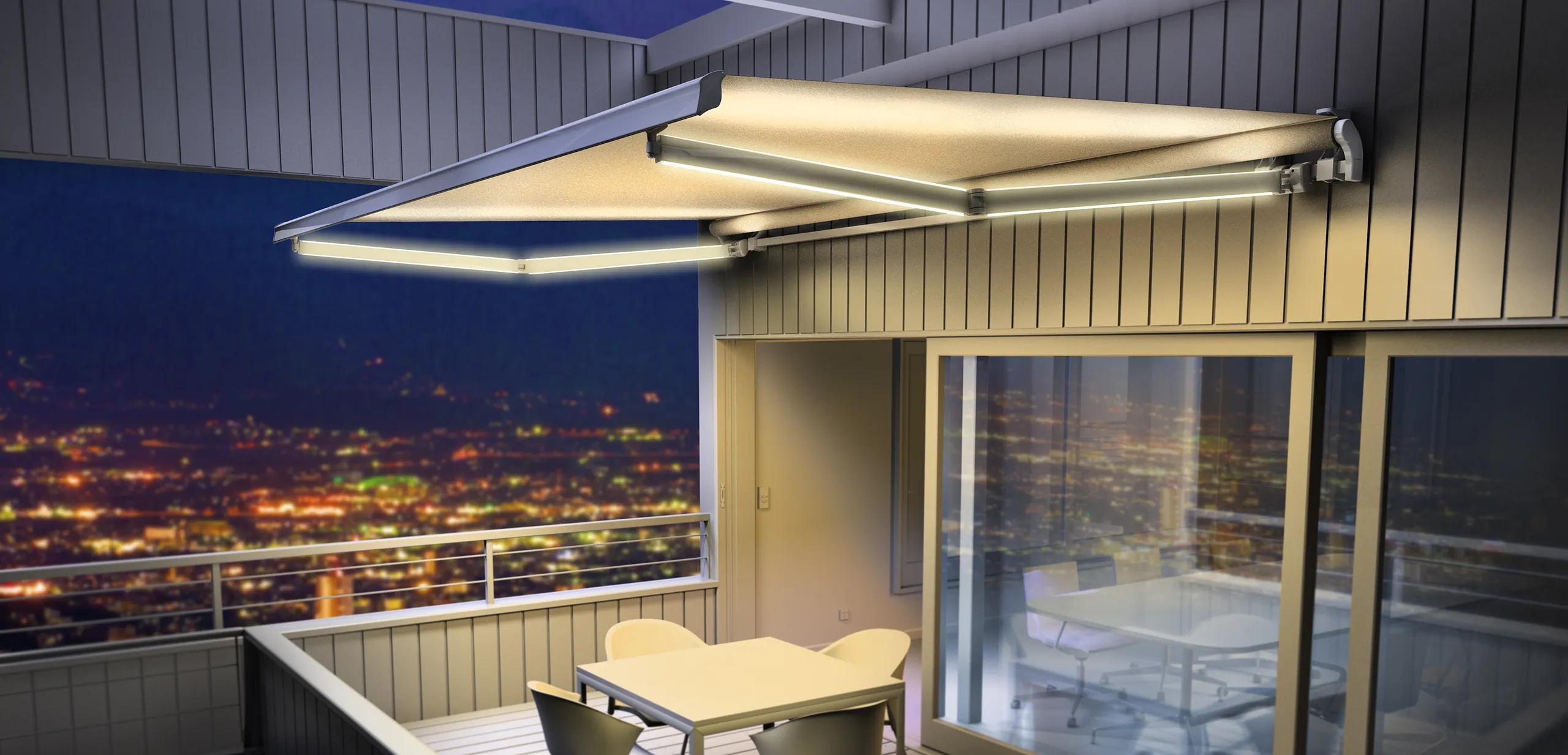
They are the most common in facade and terrace awnings. They consist of one or several sections joined by articulations with internal springs that generate the necessary tension to keep the fabric extended. Articulated arms allow large projections without the need for front supports, offering a clean and versatile solution for both homes and hospitality.

Designed for installations with greater exposure to wind or large-dimension awnings. They incorporate more powerful tension systems that improve the stability of the assembly and reduce vibrations and unwanted movements.

They facilitate fine adjustment during installation and maintenance. They allow correcting small deviations, optimizing the drop of the awning, and ensuring uniform tension of the fabric, which extends the system’s service life.

In all cases, it is important that awning arms replacement parts are compatible with the structure and the awning mechanism of the assembly. Replacing a deteriorated arm in time avoids overloading the structure, premature wear of the fabric, and major problems in the awning’s operation.

Opening and closing mechanisms

Here we include both the actuation system and the internal elements that make movement possible:

Reliable and simple. Ideal when the client prioritizes minimal maintenance and does not need automation.

Provides comfort and control, especially in large awnings or commercial installations. It allows integrating automation (sun/wind) to protect the system.

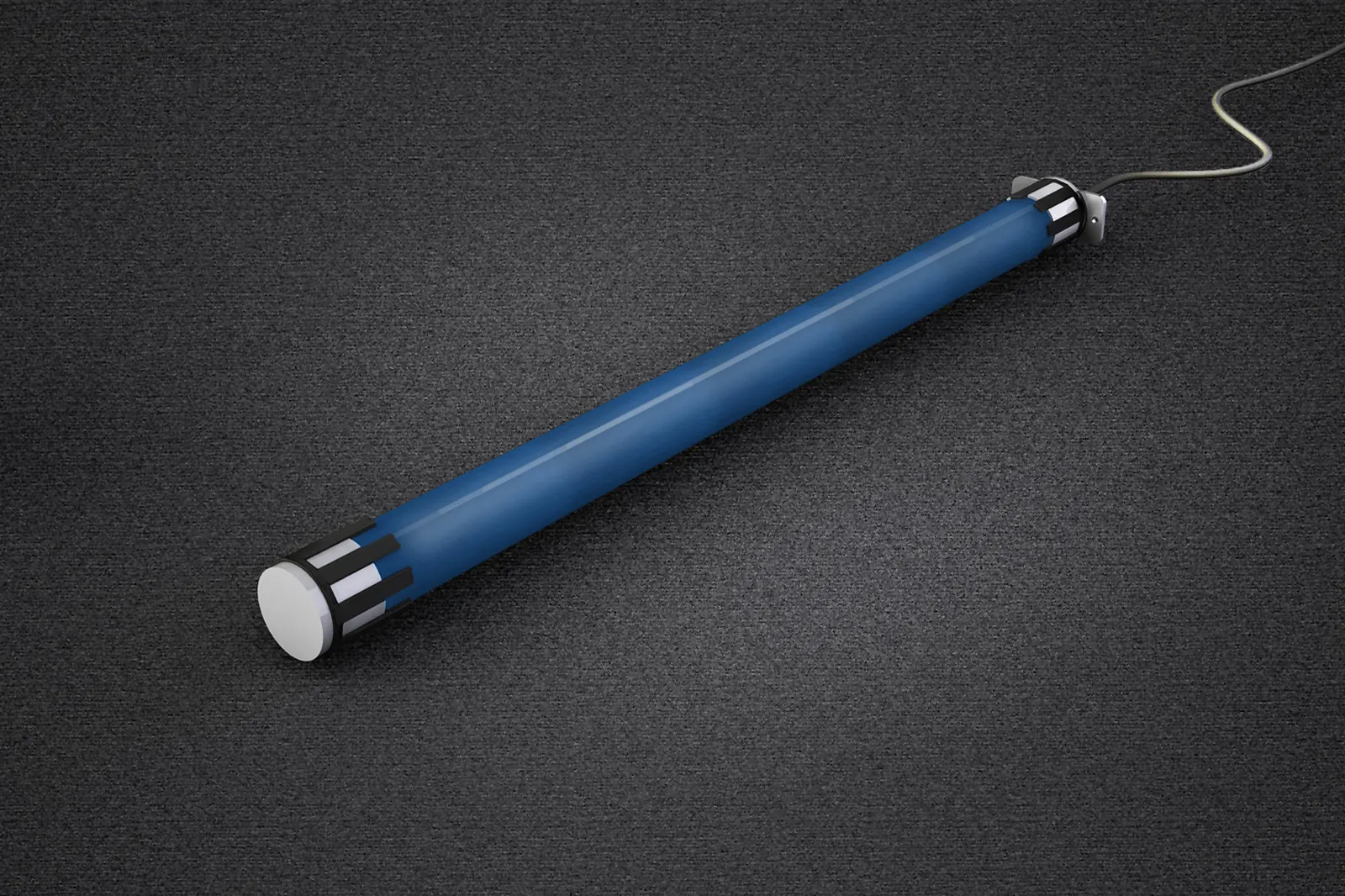
Fundamental so that the awning mechanism does not force the rolling and always works within its correct range.

Awning fabric: protection and durability

The fabric is what the client sees, but also what suffers the most: UV radiation, heat, dust, light rain, and pollution. Choosing a suitable fabric and explaining its maintenance to the client reduces complaints, extends the useful life, and improves the aesthetic result.

A good installation also influences this: whether you are installing new fabric or dealing with awnings replacement covers, the material must be well aligned, with uniform tension and without friction against profiles or hardware.

Types of fabric and characteristics

Accessories and spare parts for awnings

Awning accessories are not a minor extra: in many projects, they are what turns a correct installation into a complete installation. Furthermore, having compatible and quality awning supplies improves after-sales service and reduces intervention times.

At Siplan, we focus on solutions that facilitate the professional’s work: clear, robust components designed to integrate well with the structure.

Most common accessories

Essential spare parts for maintenance

Maintenance and inspection of awning parts

A basic inspection plan avoids most incidents:

Tips for professional awning installation

A professional installation is noticeable in its precision.

These are the key points:

Layout calmly: measurements, level, anchor points, and opening path. Check for interferences (railings, shutters, downspouts) before drilling.

This is where the installation is won: well-aligned supports, correct fixation to the real support, and suitable hardware. The awning structure must remain rigid and without tensions.

Ensure alignment, uniform tension, and a clean roll. Adjust stops and regulation so that the movement is smooth and without forcing.

Before delivery, open and close the awning several times, check for looseness, verify tightness, and confirm that it operates stably. Professional installation reduces problems and improves customer satisfaction.

Knowing the awnings parts in depth allows you to work with greater safety, anticipate problems, and offer more reliable and durable installations. When every component (structure, supports, arms, mechanisms, and fabric) is well selected and correctly mounted, the result is a system that works perfectly, requires less maintenance, and conveys quality to the final client.

At Siplan Ibérica, we work to facilitate that process, developing structures, arms, awning accessories, and awning supplies designed specifically for professionals. Our goal is to help you execute more efficient installations, with fewer incidents and a better experience for your clients.

If you need technical advice, information on aluminum awning parts, or solutions adapted to your next projects, contact us. We will be delighted to accompany you from the choice of systems to the final installation.

Your partner in solar protection projects.

We offer you reliable solutions manufactured in Spain, with certified quality and a friendly team that accompanies you at every stage.

Related news